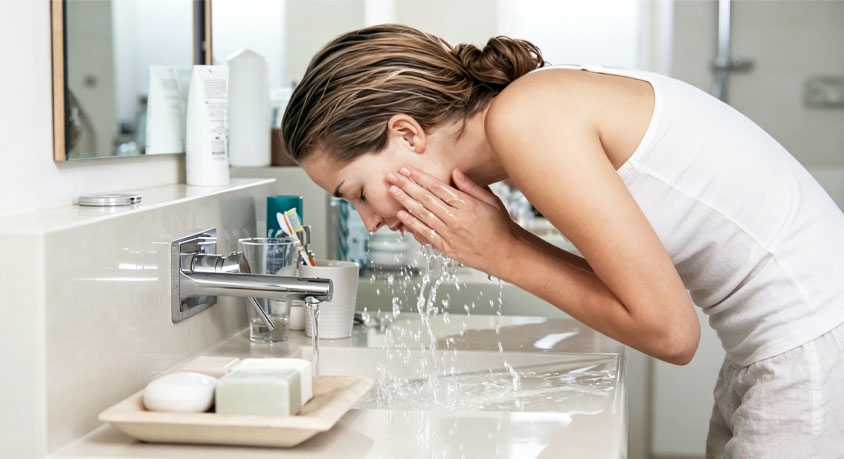
Last week, a student I used to mentor sent me a photo of her forehead—dotted with small, red pimples—and a frustrated message: “I haven’t changed my skincare routine, but I’ve been pulling all-nighters for midterms, and now my face looks like this. Why does stress have to ruin my skin?” It’s a question I’ve heard dozens of times, and one that cuts to a common misunderstanding: we often treat acne as a “skin problem” to fix with cleansers or toners, but when stress is the cause, the solution starts in the mind, not the medicine cabinet. The link between stress and acne isn’t just anecdotal—it’s rooted in how our bodies respond to pressure, and how that response disrupts the delicate balance of our skin.
When you’re stressed—whether from exams, work deadlines, or family demands—your body releases cortisol, the “fight-or-flight” hormone. In short bursts, cortisol is helpful: it gives you energy to tackle challenges. But when stress is chronic (think weeks of late nights or constant worry), cortisol levels stay elevated, and that’s when trouble starts. Cortisol tells your skin’s sebaceous glands to produce more oil. More oil means more of a sticky substance that can clog pores, trapping dead skin cells and bacteria inside—exactly the recipe for pimples. A 2022 study in the Journal of the American Academy of Dermatology found that adults with chronic stress (defined as 6+ months of high-pressure situations) were 37% more likely to develop acne than those with low stress levels. What’s more, stress slows down the skin’s healing process, so existing pimples take longer to fade. It’s a double whammy: stress causes breakouts, and breakouts cause more stress—a cycle that’s hard to break without addressing the root cause.
The first drug-free way to break this cycle is movement—not intense workouts, but consistent, moderate exercise. Exercise lowers cortisol levels by releasing endorphins (the body’s “feel-good” chemicals). A 30-minute walk, yoga session, or even a dance break to your favorite song can reduce cortisol by 20–30% in as little as 24 hours, according to research from the University of California, Los Angeles. Over time, this steady drop in cortisol means less oil production and fewer breakouts. My neighbor, a graphic designer who used to get stress acne during client deadlines, started doing 20 minutes of yoga every morning with a non-slip mat she kept by her desk. “I used to think yoga was ‘too slow’ to help, but now I notice: on days I do it, I’m less anxious, and my skin stays clearer,” she says. Exercise also boosts blood flow, which delivers oxygen and nutrients to your skin cells—helping them repair faster if you do get a pimple.
Meditation is another powerful tool, and it doesn’t require you to sit cross-legged for hours. Even 10 minutes of guided meditation a day can rewire your brain to respond less intensely to stress. Here’s how it works: meditation activates the parasympathetic nervous system, your body’s “rest-and-digest” mode, which counteracts the “fight-or-flight” response that spikes cortisol. A study from Harvard Medical School found that people who practiced daily meditation for 8 weeks had 22% lower baseline cortisol levels than those who didn’t—and their skin showed less oil production and fewer clogged pores as a result.
Breathing exercises are a quick fix for acute stress—like when you’re staring at a deadline or stuck in traffic—and they work in minutes. The 4-7-8 technique is particularly effective: inhale through your nose for 4 seconds, hold your breath for 7 seconds, and exhale slowly through your mouth for 8 seconds. This pattern slows your heart rate and signals to your body that it’s safe to relax, dropping cortisol levels almost immediately. Portable breathing exercise cards—small enough to keep in your wallet or purse—are helpful here: they remind you of the steps when stress hits. A friend of mine, who gets stress acne before big presentations, keeps a set in her laptop bag. “Right before I go on stage, I do 3 rounds of 4-7-8 breathing. I used to break out the day after presentations, but now I don’t—my skin stays calm because I stay calm,” she explains.
Establishing a “stress buffer” routine—small, predictable habits that signal to your body it’s time to unwind—also helps. This could be as simple as making a cup of herbal tea after work, taking a 5-minute walk around the block, or writing down 3 things you’re grateful for each night. The key is consistency: predictable routines lower stress by giving your brain a sense of control. A 2021 study in the Journal of Psychosomatic Research found that people with daily “unwind routines” had 18% lower cortisol levels and fewer stress-related skin issues than those without. These routines don’t have to be fancy—they just need to be something you look forward to, something that tells your body: “The hard part of the day is done.”
Finally, social connection—even small doses—can reduce stress and improve skin. A quick call with a friend, a chat with a neighbor, or a hug from a family member releases oxytocin, a hormone that counteracts cortisol. Research from the University of Chicago found that people who had at least one social interaction (15+ minutes) a day had 25% lower cortisol levels than those who were isolated. For someone prone to stress acne, this means fewer breakouts: oxytocin’s calming effect translates to less oil production and clearer skin. My cousin, who works from home and used to get lonely (and breakout-prone) during the week, started a weekly “coffee chat” with a friend over video. “Just talking for 30 minutes makes me feel less stressed, and I’ve noticed my skin is smoother now—no more random pimples,” she says.
The biggest myth about stress acne is that you need to “fix” your skin to feel better. But the truth is, you need to fix your stress to fix your skin. These drug-free methods work because they address the root cause—not just the pimples on the surface, but the stress underneath. They’re not quick fixes, but they’re sustainable: a 10-minute walk, a few deep breaths, or a chat with a friend won’t clear your skin overnight, but over time, they’ll create a calmer mind and clearer skin. And isn’t that the goal?
Disclaimer: Mention of any brand or trademark is for identification only and does not imply partnership or endorsement