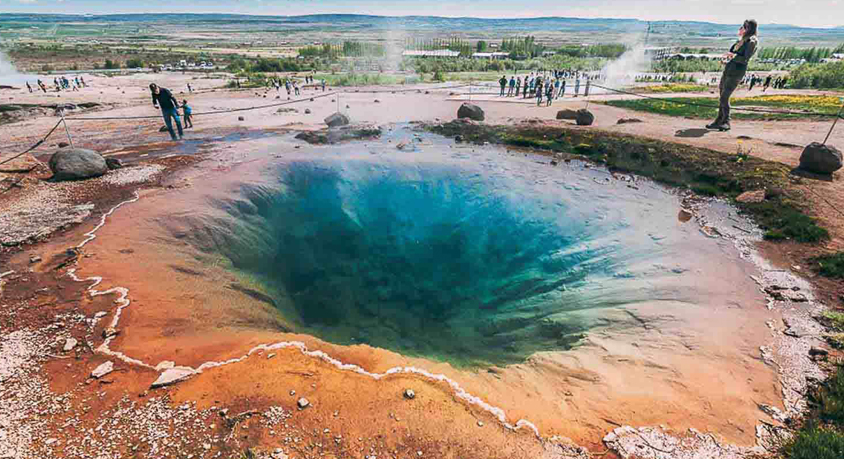
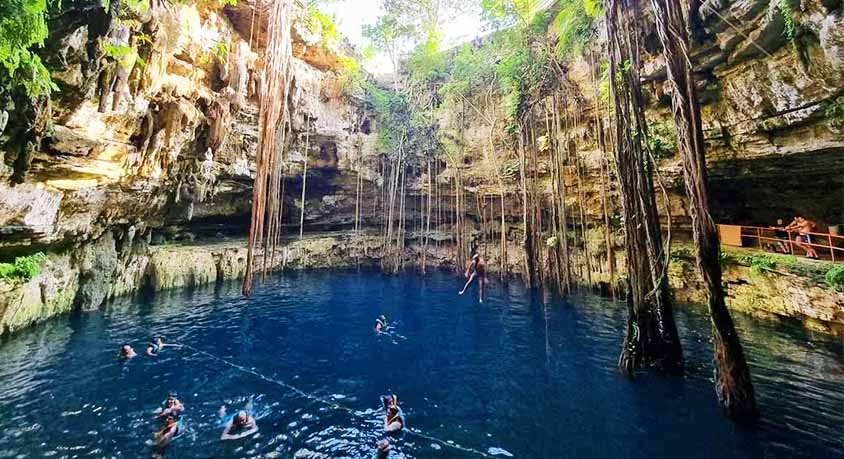
The water was a piercing, impossible shade of cobalt blue, illuminated by a single shaft of light piercing through a hole in the limestone ceiling fifty feet above my head. I was floating in Cenote Oxman, a subterranean cathedral of water and hanging vines, and the only sound was the occasional drip of a stalactite. Just two days ago, I had been in Tulum, where I paid nearly forty dollars for a "day pass" at a beach club that felt more like a crowded nightclub, only to be charged another twelve dollars for a bottle of lukewarm water. Now, in the colonial town of Valladolid, my entry to this underground paradise cost me about five dollars, and it included access to a pool and a sunbed. I floated there in the cool, silent water, realizing that most travelers are so busy chasing the "aesthetic" of Mexico that they completely miss the actual magic of it.
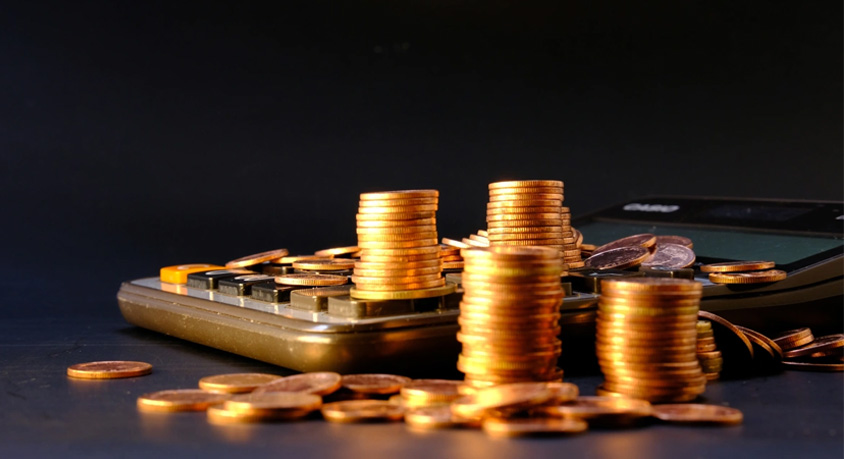
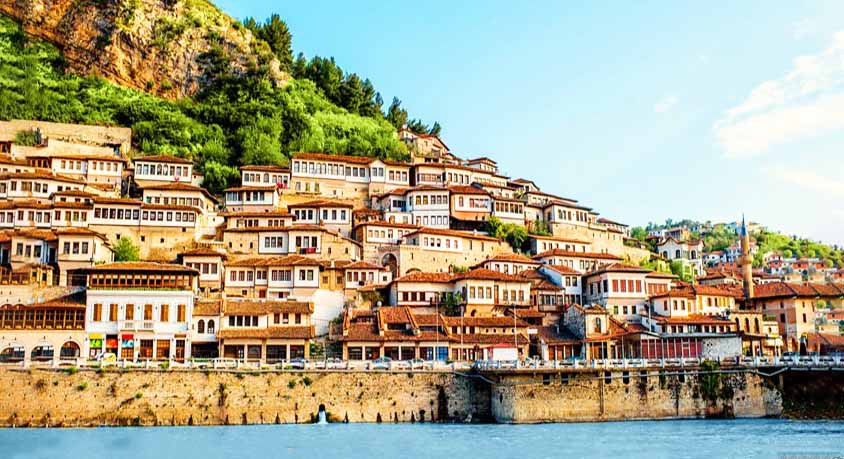
The biggest financial scam in the Yucatan is the belief that you have to stay on the coast to experience the "real" Mexico. While people are shelling out five hundred dollars a night for eco-chic huts that don't even have reliable electricity, I was staying in a pastel-colored colonial mansion in the center of Valladolid for forty dollars. My room had high ceilings, hand-painted tiles, and a host who insisted on giving me a map of the "secret" taco spots that don't appear on TripAdvisor. If you are paying in US dollars for your hotel room, you are probably paying three times more than you should be. The real savings happen when you move just ninety minutes inland, where the prices revert to reality and the hospitality becomes genuine instead of transactional.
In the hotel zones, a plate of tacos can cost twenty dollars because they’re served on a designer plate under a palm tree. I walked two blocks away from the main square in Valladolid and found a woman under a blue tarp pressing fresh corn dough into tortillas. I had three cochinita pibil tacos—slow-roasted pork that melted like butter—and a cold horchata for less than four dollars. The flavor was so intense it made the "fusion" food in Tulum taste like cardboard. If the menu has English descriptions and a "curated" cocktail list, you aren't paying for the food; you’re paying for the marketing team’s salary.
I decided to skip the expensive private tours to Chichen Itza that pick you up in an air-conditioned bus at 5:00 AM. Instead, I rented a battered red scooter for fifteen dollars and drove myself. I arrived at the gate just as it opened, beating the massive tour groups by an hour. I spent the morning wandering through the ruins of Ek Balam, a much less crowded and more "climbable" site just north of the city. For a fraction of the cost of a guided excursion, I had the freedom to sit on top of a Mayan pyramid and watch the jungle canopy breathe. You don’t need a guide to tell you it’s old and impressive; you just need the silence to actually feel it.
One of the most rewarding low-cost experiences I found was simply sitting in the Parque Francisco Cantón Rosado at sunset. The park fills up with locals, street food vendors selling "marquesitas" (crispy crepes filled with cheese and Nutella), and elderly couples dancing. I spent two dollars on a snack and watched the world go by for hours. It cost nothing, yet it provided a deeper connection to the culture than any "authentic Mayan ceremony" performed for tourists at a resort. This is the "hidden dividend" of reverse tourism: when you stop being a customer, you start being a witness to a real way of life.
The heat in the Yucatan during the shoulder season of late May can be oppressive, feeling like a heavy, wet blanket the moment you step outside. Most people avoid it, but that is exactly when the prices for luxury villas drop into the "budget" category. I learned to live like the locals—start early, retreat to a cool cenote during the peak sun hours, and emerge again when the evening breeze kicks in. You don't need a massive travel budget to feel like royalty; you just need to know when to show up and when to stay in the shade.
True travel isn't about how much you can spend to insulate yourself from a destination; it's about how much you can strip away to actually see it. You can keep your overpriced beach clubs and your "exclusive" resorts; I’ll be in the jungle, floating in a five-dollar pool of blue light.
Disclaimer: Mention of any brand or trademark is for identification only and does not imply partnership or endorsement