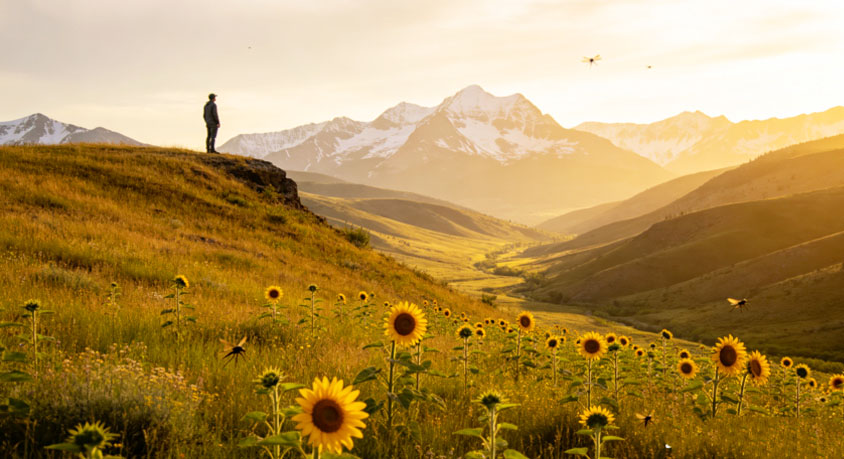
The water was so clear I could see the individual scales on a tiny silver fish darting around my ankles, and the only "traffic" in the bay was a lone wooden paddleboat drifting toward a cluster of uninhabited islands. I’d spent the previous summer in Mykonos, where I paid twenty-five dollars for a sunbed that was basically a piece of sandpaper on a plank, surrounded by people shouting over deep house music. Now, I was sitting on a pristine patch of white sand in Ksamil, Albania, and my entire day—lunch, drinks, and a front-row seat to the Ionian Sea—was costing me less than a single appetizer in Greece. I felt a smug sense of satisfaction watching the sun hit the turquoise waves, knowing that most travelers were currently draining their savings accounts just a few miles south while I had found the same water for the price of a movie ticket.
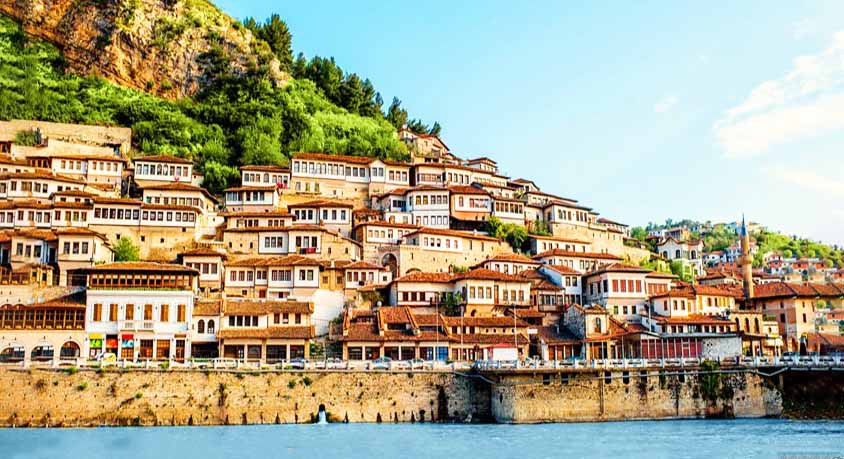
Most people still have this outdated, dusty mental image of the Balkans as a place of grey concrete and gloom, which is the best financial news for the rest of us. They flock to the Italian Amalfi Coast to pay "clutch-your-pearls" prices for a view of the water, while this coastline offers the same dramatic cliffs and crystal coves for pennies. I checked into a guesthouse run by a family who treated me like a long-lost cousin, providing a room with a sea-view balcony for thirty dollars. When I asked about the "tourist shuttle" to the nearby ruins, the son laughed, handed me a helmet, and rented me a scooter for ten dollars. No fine print, no insurance scams, just a "bring it back whenever."
Eating along the promenade is where you really start to see the absurdity of Western European pricing. I sat down at a linen-covered table at a spot called Guvat, bracing myself for a "scenic view" markup. Instead, I feasted on a mountain of grilled mussels pulled from the local lagoon that morning, seasoned with lemon and garlic, followed by a chilled glass of local white wine. The bill came to eleven dollars. In any other Mediterranean hotspot, you’d be lucky to get a glass of lukewarm water for that. I watched a group of backpackers nearby looking stunned as they realized they could actually afford to eat three meals a day here without resorting to instant noodles.
I decided to ditch the main beach clubs with their loud speakers and took a ten-minute boat ride to the "Three Islands." For five dollars, a local boatman dropped me off on a strip of sand where the only infrastructure was a small shack selling cold beer and grilled corn. It was silent, raw, and felt like a private kingdom. I spent hours snorkeling in water that looked like it had been digitally enhanced. This is the "luxury" the travel industry tries to sell you for thousands of dollars in the Maldives, yet here it was, accessible to anyone with a bit of curiosity and a few spare lek in their pocket.
If you want to see something truly surreal, take a short trip inland to the Blue Eye (Syri i Kaltër). It’s a deep natural spring where the water bubbles up from a depth of over fifty meters in a shade of electric blue that looks like it's glowing from within. While there is a small entry fee, it’s negligible, and the experience of standing in the middle of a temperate jungle watching ice-cold water erupt from the earth is far more rewarding than standing in another museum line. I met a couple from New York there who were in total disbelief; they had spent four thousand dollars on their last trip to Italy and admitted this "random" Albanian spring was more impressive than anything they’d seen in Tuscany.
Traveling here in early June or September is the ultimate pro move. You get the blistering Mediterranean sun without the July heatwaves that turn the sand into lava, and you avoid the influx of regional tourists who fill up the beaches in August. I learned that the local "hospitality" isn't a performance for tips—it’s just how people are. One evening, a restaurant owner sat with me for half an hour, teaching me how to properly drink raki (the local firewater) while refusing to let me pay for the extra appetizers he kept bringing out. Try getting that kind of treatment in a high-end bistro in Cannes without a platinum card.
The Mediterranean dream isn't dead; it just moved to a neighborhood where the prices are still honest and the water is still free. You can keep your overpriced beach clubs and your crowded plazas; I’ll be over here with my five-dollar seafood and a sunset that doesn't cost a soul.
Disclaimer: Mention of any brand or trademark is for identification only and does not imply partnership or endorsement