The air inside Ye Olde Curiosity Shop smelled like a library buried in a salt mine—a heavy, intoxicating mix of old parchment, formaldehyde, and the kind of dust that feels like it has been settling since the gold rush. I was staring at a taxidermied two-headed calf, my own reflection caught in the glass case, when the bell above the door chimed, letting in a swirl of damp Seattle mist and a group of tourists who immediately started complaining about the price of lattes at the nearby market. They did not notice the shrunken heads or the fossilized walrus tusks sitting quietly in the corner; they were too busy checking their phones to see where the next "must-visit" selfie spot was located. I stood there, mesmerized by the sheer, unfiltered oddity of the place, wondering how this relic had survived while every other block in the city had been sanitized into a sleek, glass-walled coffee empire.
Stepping off the main boardwalk of the Seattle waterfront, where the tour buses churn out hundreds of people looking for the most expensive smoked salmon, requires a deliberate defiance of the crowd. I bypassed the shiny, tourist-packed restaurants that charge $35 for a bowl of chowder and ducked into an alleyway near the stairs leading to the market. The real cost of visiting this city is not the plane ticket, but the convenience tax you pay when you refuse to walk five extra blocks. I watched a family pay $20 for a basic bottle of water and a granola bar at a kiosk by the ferry terminal, while just a short walk away, I found a small counter serving fresh, local oysters for a fraction of the price, tucked away where the sunlight barely touches the sidewalk.
Staying in the downtown core is a fast track to draining your savings, especially when you factor in the $50-a-night valet fees that every hotel seems to tack on as a resort convenience. I found a quiet, mid-range guesthouse in the Capitol Hill neighborhood that was connected to the downtown area via the light rail, saving me a fortune in rideshare fares and parking headaches. The light rail system is the city’s best-kept secret for budget-conscious travelers; it is clean, efficient, and does not subject you to the passive-aggressive grunting of a gridlocked taxi driver. I spent my savings on things that actually mattered, like extra servings of local Dungeness crab, rather than paying for a hotel room that was essentially a glorified closet with a view of a brick wall.
Exploring the hidden pockets of the waterfront means looking past the neon signs. I spent an entire morning at the Olympic Sculpture Park, which is entirely free and offers a view of the Puget Sound that no luxury hotel can replicate. I sat on a bench near a giant, rust-colored steel structure, watching the ferries cut through the water like white blades, while a local artist sketched nearby. It is a space that feels vast and uncommercialized, a stark contrast to the claustrophobic aisles of the souvenir shops that litter the street level. Another favorite spot was a small, unmarked bookstore in an old warehouse district that sold hardcovers for two dollars—a place where the silence was so absolute, it felt like the city had pressed a pause button just for me.
Navigating the city between March and June is a lesson in sartorial flexibility. You will experience three distinct weather systems before your morning coffee; it is a constant cycle of sunshine, piercing wind, and horizontal rain. I met a local near the wharf who wore a shell jacket as casually as a business suit, and he gave me the best advice of the trip: "If it looks like rain, wait five minutes. If it looks like sun, wait ten." Flying into Sea-Tac from the East Coast takes about six hours, and you will likely land feeling like a dehydrated husk, but the shift from the rigid, concrete-heavy environment of the Atlantic coast to the lush, water-logged green of the Pacific Northwest is an immediate, visceral wake-up call for the senses.
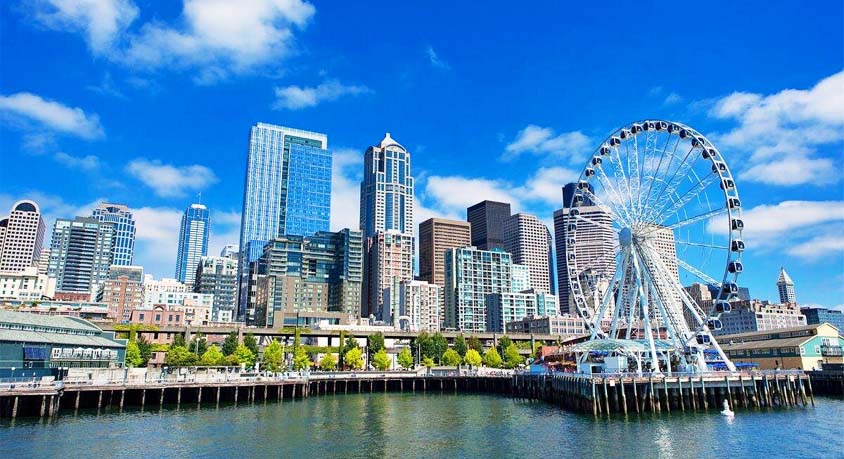
Prices for everything from gas to harbor cruise tickets see a subtle, creeping increase as the calendar inches toward July, so visiting in the shoulder season is the only way to avoid the worst of the summer crush. I watched the crowds swarm the Great Wheel, waiting for hours just to sit in a plastic box for ten minutes of mediocre views, and could not help but pity them. I had spent that time inside the curiosities, looking at things that had witnessed more history than the entire modern skyline combined. The shop was not just a place to buy trinkets; it was a testament to the fact that you do not need a high-tech attraction to feel like you have traveled to somewhere truly different.
Disclaimer: Mention of any brand or trademark is for identification only and does not imply partnership or endorsement