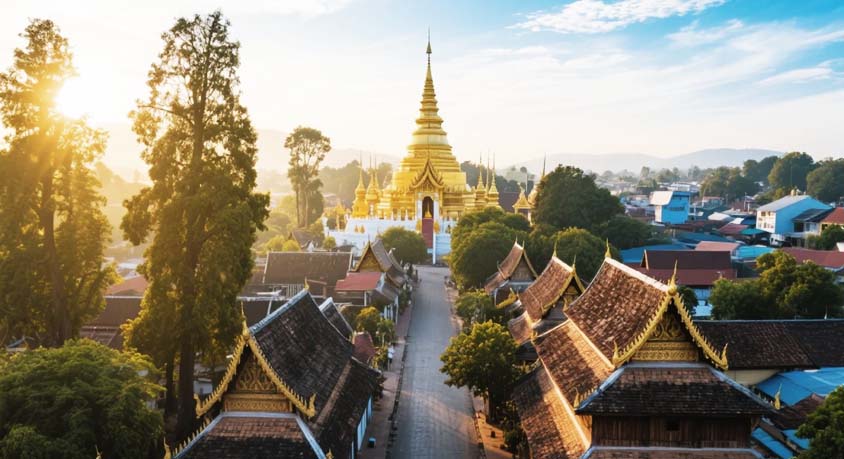
Standing on a quiet lane tucked away from Chiang Mai’s crowded old city walls, I leaned against an aged teak wall and breathed in the soft scent of frangipani drifting through the breeze. No loud tour guides shouting, no swarms of tourists crowding every corner, just slow wind brushing past ancient temple spires and local residents strolling by with calm, unrushed steps. It was this quiet moment that made me realize how wrong most travelers get about this northern Thai city.
My friend and I booked a week-long stay last month, determined to skip every overhyped landmark flooding social media. We quickly learned that popular temple zones near the main square charge tourists double for bottled water and overpriced street snacks that taste nothing like authentic local flavors. Locals grab simple rice dishes from hidden roadside stalls for less than two dollars, while tourist-facing eateries mark up the same meal three times higher with zero extra quality.
We wandered off the typical tourist trail and found a small forest temple tucked twenty minutes outside the downtown area. No entry fees, no souvenir vendors pushing cheap trinkets, just weathered stone carvings and monks moving silently among old banyan trees. We sat on cool stone steps for hours, watching sunlight filter through dense leaves, and it felt far more immersive than jostling for photos at packed famous temples.
Another underrated spot we stumbled on was a riverside community market only locals frequent after sunset. Unlike the busy night bazaar filled with mass-produced goods, this small market sells handmade woven crafts, fresh tropical fruits, and homemade herbal drinks at honest prices. We chatted with an elderly vendor who laughed as she told us most visitors never discover this spot, too busy rushing from one viral landmark to the next without slowing down.
Transport costs here easily blow your budget if you stick to tourist tuk-tuks that quote ridiculous flat rates for short rides. We switched to local shared pickup trucks that follow fixed routes, paying less than fifty cents per trip to reach hidden neighborhoods and quiet viewpoints across the city. Booking private tours online also comes with hidden service fees, something many first-time visitors never notice until checkout time.
Visiting between late October and early February brings milder days with less sudden downpours, but even then, midday heat lingers strong enough to wear you down if you plan nonstop outdoor walks. We learned to pause our outings during peak noon hours, settling into small neighborhood cafes with cold Thai iced tea instead of forcing ourselves to rush through crowded sightseeing spots under harsh sunlight.
Most people dismiss Chiang Mai as dull once they finish checking off mainstream attractions, but that judgment only comes from following crowded tourist routes. The real charm lies in wandering quiet back lanes, joining local daily rhythms, and skipping the overcommercialized spots that drain both your mood and wallet. Slow down, stray from the crowd, and this northern Thai city unfolds a peaceful side few travelers ever get to witness.
Disclaimer: Mention of any brand or trademark is for identification only and does not imply partnership or endorsement