


Last week, I watched a friend spend 20 minutes pressing a metal extractor tool to her nose, wincing as she tried to “pull out” every last blackhead. When she finished, her nose was red and slightly swollen—and by the end of the week, the tiny dark dots had started to reappear. She sighed, “Why can’t I just get rid of these for good?” It’s a question I’ve heard dozens of times, and it cuts to a pervasive myth about blackheads: that they’re a sign of laziness or poor hygiene, and that with the right product or technique, they can be erased forever. But the truth lies in how our skin naturally works—a system of oil production and keratin (dead skin cell) turnover that keeps us healthy, but also creates the conditions for blackheads. To understand why “eliminate completely” is impossible, we first need to unpack what blackheads actually are.
Blackheads, technically called open comedones, are not “dirt” or “gunk” trapped in pores—though they look that way. They form when two natural substances—sebum (the oil our skin produces to stay moisturized) and keratin (a protein in dead skin cells)—mix and clog a hair follicle (the tiny opening we call a pore). Unlike closed comedones (whiteheads), which are sealed under the skin, blackheads have an open top. When the sebum-keratin mixture is exposed to air, it oxidizes—much like an apple turning brown when cut—and turns dark. That’s the “black” in blackheads, not dirt. The American Academy of Dermatology (AAD) notes that 80% of people between ages 11 and 30 experience comedones (including blackheads), and even after 30, 40% of adults still deal with them. This isn’t a “problem” to fix—it’s a byproduct of healthy skin function.
The reason we can’t eliminate blackheads for good boils down to one unchangeable fact: our skin never stops producing sebum or shedding keratin. Sebum is critical—it prevents our skin from drying out, protects against irritants, and maintains the skin’s natural barrier. Keratin turnover is equally essential: old skin cells slough off to make room for new, healthy ones. But when these processes get out of balance—say, sebum production increases (due to hormones, humidity, or stress) or keratin sheds too slowly (due to dryness or lack of gentle exfoliation)—the mixture can build up in pores. Even with perfect care, this buildup will happen eventually. A 2022 study in the Journal of Cosmetic Dermatology found that even people who followed a strict blackhead management routine saw 70% of their treated pores refill with sebum-keratin mixtures within 4–6 weeks. Our skin is simply doing what it’s designed to do—and that means blackheads will always be a possibility.
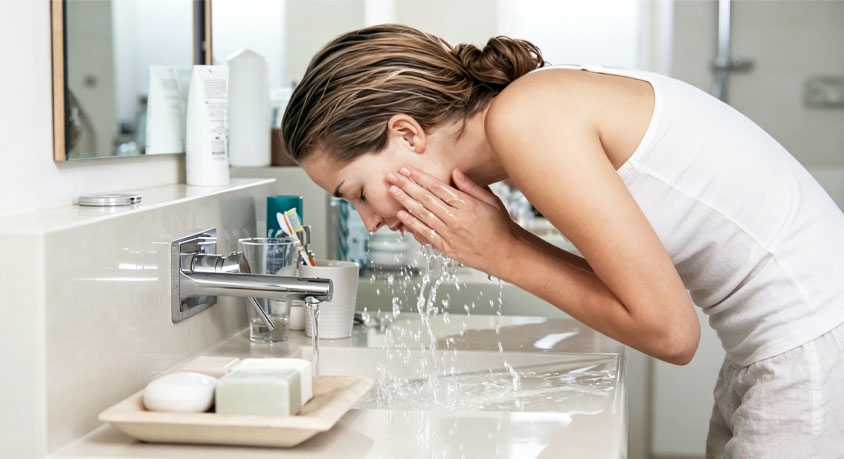
This reality doesn’t mean we’re powerless, though. The goal shouldn’t be “eradication,” but “management”—small, consistent steps that keep pores clear and reduce the frequency and size of blackheads. My friend learned this after months of frustration: she’d been using a harsh, foaming cleanser twice a day, thinking “more clean = fewer blackheads,” but instead, she was stripping her skin of its natural oils. Her skin responded by producing even more sebum to compensate, leading to more clogged pores. The fix was simpler than she expected: switching to a gentle facial cleanser that removed surface oil without disrupting her skin’s barrier. Within two weeks, she noticed less redness, and her blackheads felt less “embedded.”
Gentle exfoliation is another key part of management—but not the scrubby, abrasive kind that can tear skin. A soft exfoliating sponge, used once or twice a week, helps slough off dead keratin cells before they can mix with sebum and clog pores. Think of it like sweeping a porch before leaves pile up—you’re preventing buildup, not cleaning up a mess. The AAD recommends avoiding physical exfoliants with sharp particles (like ground nutshells), which can create micro-tears in the skin, so a soft, porous sponge is a safer choice.
Moisturizing might seem counterintuitive for anyone worried about oily skin and blackheads, but it’s crucial for balance. When skin is dehydrated, it signals the sebaceous glands to produce more sebum—creating a cycle of dryness and excess oil. An oil-free moisturizing gel delivers hydration without adding extra grease, helping to regulate sebum production over time. I saw this work with a former lab colleague who swore she “didn’t need moisturizer” because her skin was oily. After a month of using a lightweight, oil-free gel, she said, “My T-zone isn’t as shiny, and I’m not getting as many blackheads on my nose.”
Perhaps the most important step is letting go of the guilt. So many people associate blackheads with “being dirty” or “not trying hard enough,” but that’s simply untrue. Even people with immaculate skincare routines get blackheads—because they’re a normal part of having skin that produces oil. My friend, now three months into her management routine, still has a few blackheads here and there, but she no longer fixates on them. “I used to spend 10 minutes every morning staring at my nose in the mirror,” she says. “Now I wash my face, moisturize, and move on. It’s not perfect—but it’s better than feeling frustrated all the time.”
At its core, understanding blackheads is about reframing our relationship with our skin. We expect it to be “flawless,” but skin is a living, working organ—not a smooth surface. Blackheads are a reminder of that: they’re proof our skin is doing its job, producing oil and shedding cells to keep us healthy. The science doesn’t lie—we can’t eliminate blackheads. But we can learn to live with them, using gentle, consistent care to keep our skin happy and balanced.
Disclaimer: Mention of any brand or trademark is for identification only and does not imply partnership or endorsement