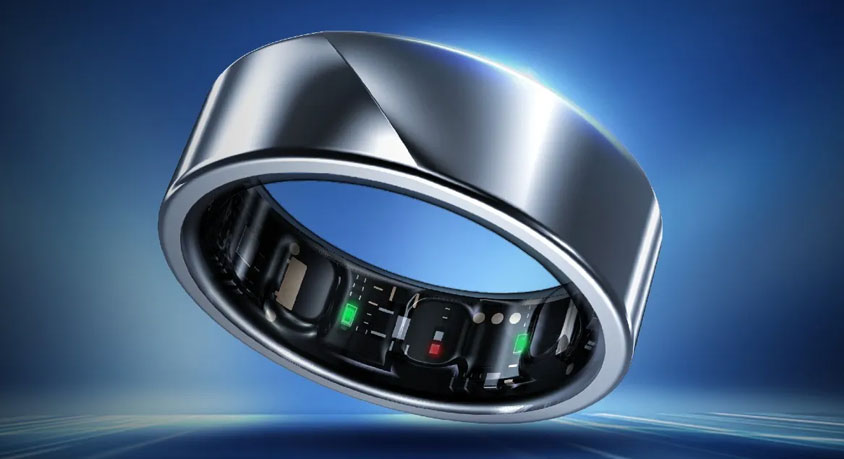

Alright folks, pull up your comfiest blanket (but stay awake long enough to read this) — because we need to talk about a mystery that messes with millions of us. You sleep eight full hours, no midnight emails, no late-night parties, and still, you wake up feeling like your brain’s running on 30 percent battery. You did everything right, didn’t you? Not exactly.
That famous “8-hour rule” is a bit of a myth. Sure, most adults need somewhere between seven and nine hours of sleep, but it’s not just how long you sleep that matters — it’s how well. There’s data floating around that suggests even when people hit that magical eight, many still feel drained because their sleep quality was quietly sabotaged. You can think of it like charging your phone with a broken cable: it says “charging,” but the battery barely moves.
Maybe this sounds familiar. You go to bed at 11 p.m., alarm set for 7 a.m. You drift off fine. But when the alarm rings, you feel like you wrestled a bear in your dreams. You groan, you reach for coffee, and swear you’ll go to bed earlier tonight — though you already did. What went wrong?
Sometimes, the issue isn’t too little sleep, but too interrupted. Even tiny wake-ups can rob you of deep, restorative sleep. The neighbor’s dog barks, your phone buzzes, your partner rolls over, and boom — you’re out of the deep-sleep zone. You may not even remember waking, but your body does. It’s like your brain got stuck buffering all night.
Then there’s the timing thing. Going to bed at a different hour every night confuses your internal body clock. You know that feeling when you fly across time zones and can’t tell if it’s breakfast or dinner? That’s basically what you do to yourself when your bedtime jumps from 10 p.m. to 1 a.m. to midnight. Your brain loves routine — it thrives on predictability. Throwing it off every night is like giving your circadian rhythm a permanent identity crisis.
Let’s not forget the sneaky villains: caffeine, stress, and the environment. That innocent afternoon iced coffee you had at 4 p.m.? It’s still in your system at bedtime, whispering “stay up, just one more episode.” Then there’s your phone — blue light blasting your eyes while you’re scrolling through memes or doom-scrolling world news. Add in a room that’s too warm, too bright, or too noisy, and suddenly your sleep is a shallow puddle instead of a deep lake.
But don’t panic, because there are fixes that actually work — and you can start tonight. Build yourself a little “wind-down” routine. Dim the lights 30 minutes before bed. Put the phone face-down somewhere you can’t reach. Read a real book, stretch, or just sit quietly. If outside light keeps sneaking in, grab a blackout sleep mask or hang heavier curtains. Got noisy neighbors or city traffic humming through your walls? A white noise machine can do wonders to smooth out those disturbances.
Your bed setup matters more than most people think. If your pillow feels like it’s been through a decade of battles, replace it. A good memory foam pillow that supports your neck can reduce those tiny midnight wake-ups your brain secretly logs as “micro-stress.” And while we’re at it, stop letting caffeine rule your evenings — cut it off after 2 p.m. Your future, well-rested self will thank you.
And if stress is the thief behind your bad nights, train your body to chill. Try the simplest breathing exercise before sleep: inhale for four seconds, hold for two, exhale for six. Repeat that a few times, and you can actually feel your heart rate slow down. It’s not magic — it’s your nervous system shifting gears.
Now, if you’ve done all of this and still wake up feeling like you ran a marathon in your sleep, it might be time to look deeper. Sleep apnea, restless-leg syndrome, even certain medications can destroy sleep quality without you realizing it. Some people wake up dozens of times per night because of breathing interruptions and have no clue until a doctor mentions it. It’s worth getting checked if you’ve tried every lifestyle fix and nothing changes.
All those little tweaks actually pay off. When people manage to improve their sleep quality, their mood, focus, and energy often shoot up. Some studies even link better sleep to lower anxiety and stronger memory. Imagine waking up and actually feeling like you slept — that’s the goal.
So maybe it’s time to stop obsessing over the “8-hour” badge of honor and start paying attention to the real signs of good rest: steady energy during the day, a clear head, and a body that doesn’t crave three naps before noon. Sleep isn’t just about counting hours; it’s about building nights that count.
Tonight, dim the lights, drop the phone, breathe deep, and give your sleep the respect it deserves. Because the difference between “barely surviving” and “actually thriving” might just be hidden in those quiet, uninterrupted hours before sunrise.
Disclaimer: Mention of any brand or trademark is for identification only and does not imply partnership or endorsement