


The ritual is familiar, almost sacred. You stand before the bathroom mirror, surrounded by an arsenal of beautifully packaged promises. There’s the foaming cleanser that promises to “purify,” the tonic to “rebalance,” the serum to “target,” the cream to “repair.” You follow the steps diligently, believing you are conducting a sophisticated symphony of self-care. Yet, the skin in the mirror often tells a conflicting story: persistent dryness, unexplained redness, a texture that never quite feels calm or resilient. We interpret this as a signal to try harder, to add another product, to seek a more potent formula. But what if the problem isn't a deficiency in our routine, but an overload? What if our skin’s plea isn't for more intervention, but for less? A growing movement, often termed "skinimalism," proposes a radical idea: the healthiest thing you can do for your skin is to respect its own exquisitely designed intelligence.
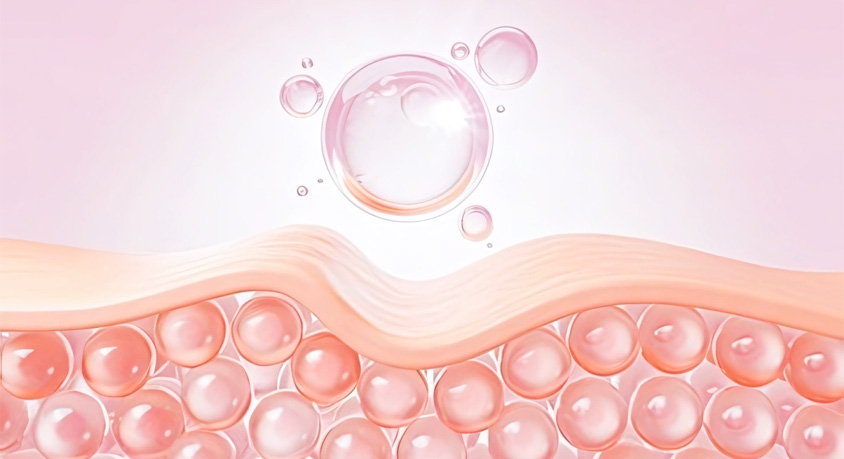
To understand this, we must look past the surface. Your skin is not a passive canvas; it is a dynamic, living ecosystem. Its most crucial component is the stratum corneum, the outermost layer often called the skin barrier. Imagine this as a meticulously crafted brick wall: skin cells (bricks) are held together by lipids (mortar). This wall’s job is dual: to keep essential moisture in and to keep environmental irritants, pollutants, and pathogens out. Living on and within this wall is a diverse metropolis of microorganisms—the skin microbiome. This community of bacteria, fungi, and viruses isn't an enemy to be eradicated; it's a fundamental part of your immune system, training your skin's defenses and maintaining a slightly acidic pH that discourages harmful invaders. A 2018 review in the Journal of the American Academy of Dermatology emphasized that a balanced microbiome is linked to reduced inflammation and conditions like eczema and acne.
The tragic irony of modern skincare is that our most common practices wage a silent war on this very system. Harsh, alkaline cleansers and physical scrubs don't just remove dirt; they strip away the essential lipid mortar and disrupt the acidic pH. Antibacterial ingredients can decimate the beneficial microbial residents alongside the harmful ones. Layering multiple active ingredients (like retinoids, strong acids, and potent antioxidants) can overwhelm the skin’s signaling pathways, leading to barrier compromise. The skin, in a state of alarm, responds with inflammation—redness, sensitivity, breakouts, or dehydration. We then mistake this alarm for a new problem requiring more products, trapping us in a cycle of damage and repair. The data is telling: studies have shown that overwashing alone can significantly impair barrier function and increase transepidermal water loss.
The path forward, then, is not subtraction for its own sake, but strategic simplicity focused on one core principle: support the barrier. Your skin doesn’t want a dozen chemical commands; it wants a stable, well-maintained environment to perform its own functions. This translates into a three-step philosophy. First, cleanse with reverence. Use a lukewarm water rinse in the morning and a mild, pH-balanced (slightly acidic) cleanser only in the evening to remove sunscreen and pollutants. The goal is to feel clean, not squeaky or tight. Second, protect relentlessly. The single most impactful product for long-term skin health is a broad-spectrum sunscreen, preferably a mineral (zinc oxide/titanium dioxide) formula that sits on the skin as a protective shield. This prevents the vast majority of extrinsic aging and inflammation. Third, moisturize with intention. A simple, fragrance-free moisturizer containing ceramides, cholesterol, or fatty acids helps replenish the lipid mortar, reinforcing the barrier itself.
This shift requires a profound change in mindset. We must move from seeing our skin as an adversary to be controlled to viewing it as a resilient, self-regulating organ to be supported. The initial transition might involve a “withdrawal” period where the skin, freed from constant stimulation, recalibrates. This is not a failure, but a sign of healing. By reducing the chemical noise, you allow your skin’s own language—a language of balance, microbiome diversity, and intact barrier function—to speak clearly. The result is not a superficial, filtered glow, but a deeper, more fundamental resilience. True skin health isn't purchased in a bottle; it's cultivated through patience, restraint, and a trust in the elegant biology you already possess.
Disclaimer: Mention of any brand or trademark is for identification only and does not imply partnership or endorsement