With the rapid development of technology, IoT technology is gradually penetrating into our lives, including the field of elderly care. IoT provides more comprehensive and convenient health monitoring services for the elderly through smart home monitoring systems, wearable monitoring devices, and other means, significantly improving their quality of life and health management.
Overview of IoT technology and its potential in geriatric care
IoT, or the Internet of Things, realizes the seamless connection between the physical world and the digital world through devices such as smart sensors, RFID tags, and GPS positioning systems. In the field of geriatric care, IoT technology provides personalized health monitoring solutions for the elderly with its powerful data collection, transmission, and analysis capabilities. These programs not only help seniors identify health problems in a timely manner, but also respond quickly in emergencies to protect their lives.
Smart home monitoring system: creating a safe and comfortable home environment
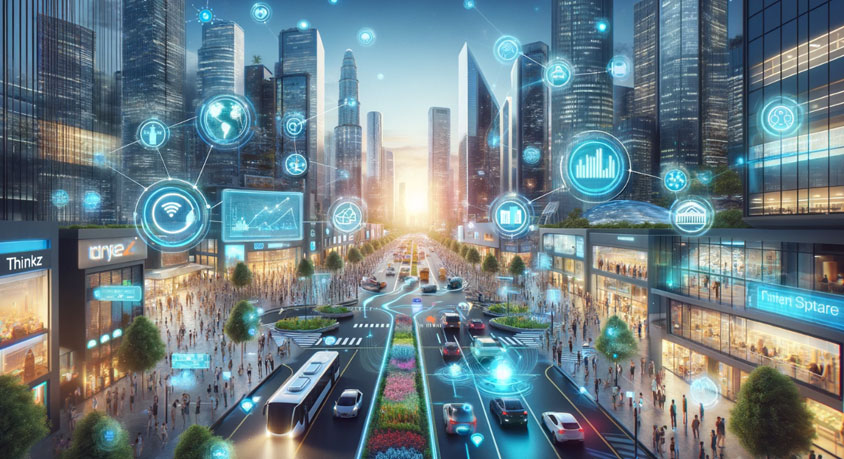
Smart home monitoring system is a highlight of IoT in elderly care. The system monitors the home safety of the elderly in real time through smart cameras, door and window sensors, smoke alarms and other devices. Once an abnormal situation is detected, such as the elderly falling down or fire, the system will immediately sound an alarm and notify family members or emergency rescue organizations. In addition, the smart home system can automatically adjust indoor temperature, humidity, light and other environmental parameters according to the living habits and health conditions of the elderly, creating a safe and comfortable home environment.
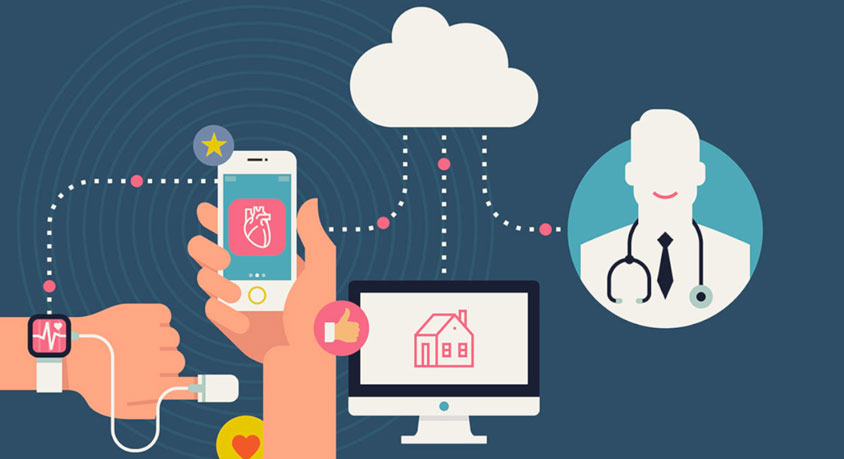
Wearable monitoring devices: real-time control of the health of the elderly
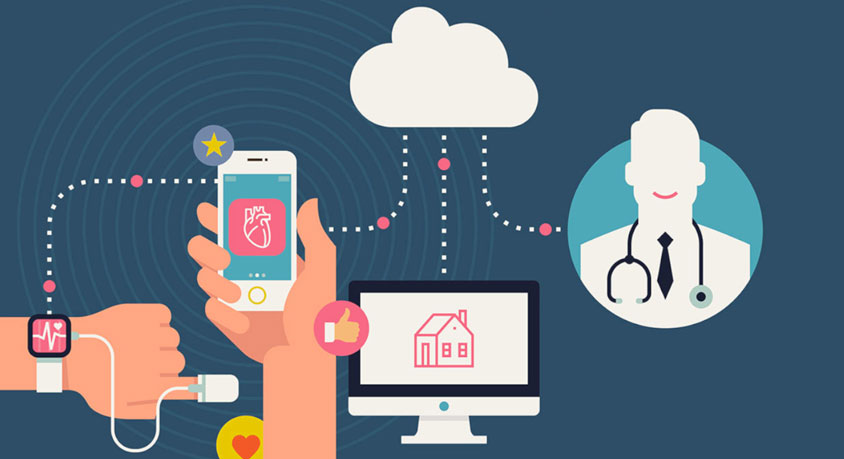
Wearable monitoring devices are another important application of IoT in elderly care. These devices, such as smart bracelets and smart watches, are able to monitor the heart rate, blood pressure, blood sugar and other physiological indicators of the elderly in real time and transmit the data to the cloud or a designated receiver. Medical personnel or family members can check the health status of the elderly at any time through channels such as cell phone APPs, so as to detect abnormalities and take appropriate measures in time. In addition, some advanced wearable devices are equipped with fall detection, emergency call and other functions, which can automatically alert the police for help when the elderly are in danger. The application of these devices makes the health management of the elderly more accurate and efficient.
Telemedicine services: medical support that breaks geographical constraints
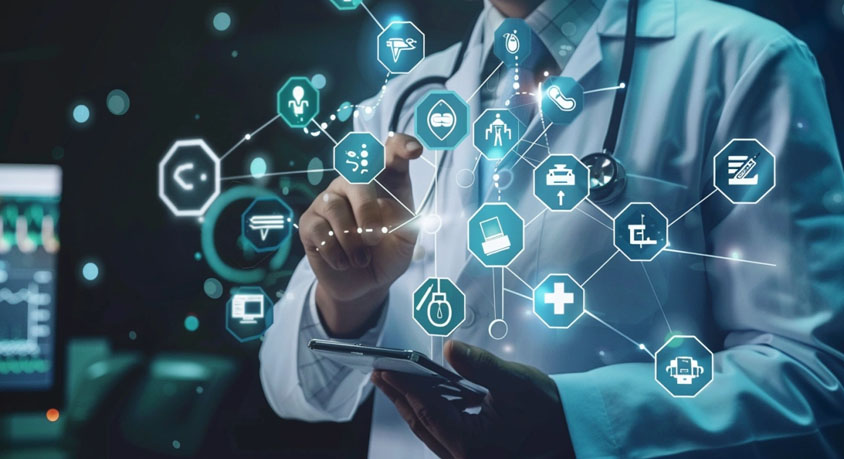
IoT technology also promotes the application of telemedicine services in elderly care. Elderly people can communicate with doctors remotely through video calls and online consultations to get professional medical advice and treatment plans. This service model not only breaks the geographical restrictions, enabling the elderly to enjoy more convenient and efficient medical services, but also reduces the burden on hospitals and medical costs. During the epidemic, telemedicine services played an important role in effectively protecting the health and safety of the elderly.
In the future, with the continuous progress of technology and the continuous expansion of application scenarios, IoT will create a safer, more comfortable and healthy living environment for the elderly in their old age.
Disclaimer: Mention of any brand or trademark is for identification only and does not imply partnership or endorsement