



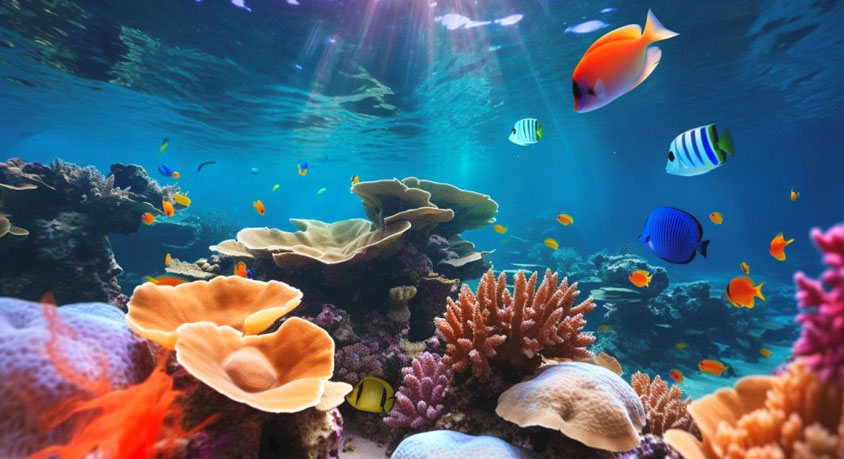
The Great Barrier Reef, located off the coast of Queensland in northeastern Australia, is one of the most iconic natural wonders of the world. Stretching over 2,300 kilometers and covering an area of approximately 344,400 square kilometers, it is the largest coral reef system on the planet. Comprising over 2,900 individual reefs and 900 islands, the Great Barrier Reef is a UNESCO World Heritage Site and a haven for marine biodiversity. Whether you’re a snorkeler, diver, or someone simply interested in experiencing the beauty of this aquatic paradise, the Great Barrier Reef offers an unforgettable adventure.
A Living Wonder
The Great Barrier Reef is often called the "world's largest living organism." This title is due to its vast size and the interconnected nature of the coral reefs, which have been forming and evolving over thousands of years. It is home to an astounding variety of marine life, including more than 1,500 species of fish, 400 types of coral, 30 species of whales and dolphins, and six of the world’s seven species of sea turtles. The reef is a rich ecosystem, teeming with life that thrives in the warm, clear waters of the Coral Sea.
One of the reef's most fascinating aspects is the incredible diversity of coral species. Some of these coral formations date back more than 20 million years, making them not just beautiful but also ancient. The Great Barrier Reef is home to both hard corals, which form the reef structures, and soft corals, which create lush underwater gardens. Together, they provide essential habitats for countless species, from the smallest shrimp to the majestic manta ray.
Exploring the Reef: A Dream for Divers and Snorkelers
For many travelers, the primary draw of the Great Barrier Reef is its unparalleled opportunities for underwater exploration. Whether you're an experienced diver or a beginner looking to try snorkeling for the first time, the reef offers a range of activities suited to all levels of adventurers.
Snorkeling in the Great Barrier Reef is an accessible and thrilling way to get up close to the marine life. With crystal-clear waters, you can float above vibrant coral gardens, spotting colorful fish, curious sea turtles, and even graceful rays. Some of the best spots for snorkeling are Green Island, Nudey Beach, and Agincourt Reef, all of which are easily accessible from Cairns and Port Douglas, the gateway towns to the reef.
For those with a passion for diving, the Great Barrier Reef offers some of the most incredible dive sites in the world. With over 100 dive locations, divers can explore underwater canyons, vibrant coral walls, and deep-sea trenches. Cod Hole, a famous dive site, is known for its large population of giant potato cod, a species of fish that can grow up to 1.5 meters long and is often quite friendly to divers. The reef also boasts incredible encounters with sharks, schools of tropical fish, and even the elusive dugong, often referred to as a "sea cow."
Protecting a Fragile Ecosystem
While the Great Barrier Reef is a breathtaking natural wonder, it is also incredibly vulnerable. Climate change, pollution, and overfishing are significant threats to the health of the reef. Rising sea temperatures have led to mass coral bleaching events in recent years, where corals expel the algae that live within them, causing the corals to turn white and lose their color. Without these algae, the corals cannot survive for long, leading to devastating consequences for the entire ecosystem.
In response to these challenges, various conservation efforts are in place to protect and preserve the reef. The Australian government has invested in monitoring programs and sustainable tourism practices, and there are numerous organizations dedicated to coral restoration and marine research. Visitors are encouraged to respect the reef by avoiding touching or standing on the coral, as even the slightest disturbance can cause damage that takes decades to repair.
The Great Barrier Reef Marine Park Authority oversees the conservation of the reef, working to ensure sustainable tourism and maintain the health of the reef. Many tour operators also participate in eco-friendly practices, such as using non-toxic sunscreen, minimizing waste, and adhering to strict guidelines to protect the reef's fragile environment.
Best Time to Visit
The Great Barrier Reef is a year-round destination, but the best time to visit depends on your interests. The months from June to November are considered the dry season and offer the clearest waters and most pleasant weather conditions. This is also the best time for snorkeling and diving, as the visibility underwater is optimal. Additionally, the dry season is the best time to spot marine life, including migrating humpback whales and the fascinating phenomenon of turtle hatchlings making their way to the sea.
The wet season, from December to March, brings warmer temperatures and occasional tropical storms. While the reef remains accessible during this period, the weather can be more unpredictable, and the water visibility may be slightly reduced due to the rain. However, the wet season is also the time when the reef's coral spawning occurs, an event that brings a stunning display of colors and marine activity.
Conclusion: A Natural Masterpiece
The Great Barrier Reef is more than just a destination; it is a testament to the wonders of nature and the importance of preserving our planet’s delicate ecosystems. Its vibrant marine life, stunning coral formations, and clear waters make it a dream for those who love the ocean. Whether you’re exploring its depths while scuba diving, cruising its surface while snorkeling, or simply taking in the beauty of the reef from a boat, the Great Barrier Reef promises an adventure like no other.
As you dive into this magical underwater world, it’s crucial to remember that this ecosystem, like all natural wonders, requires protection and respect. By visiting the reef responsibly and supporting conservation efforts, you can help ensure that future generations will have the opportunity to experience the beauty and diversity of this remarkable underwater paradise.
Disclaimer: Mention of any brand or trademark is for identification only and does not imply partnership or endorsement