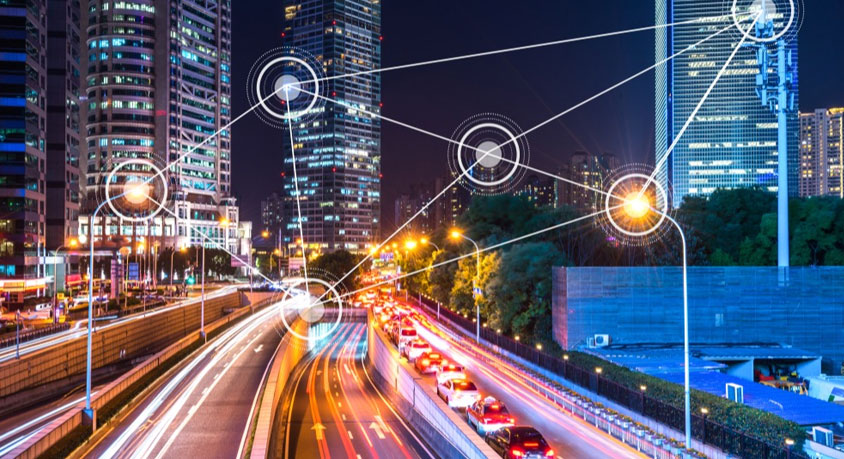
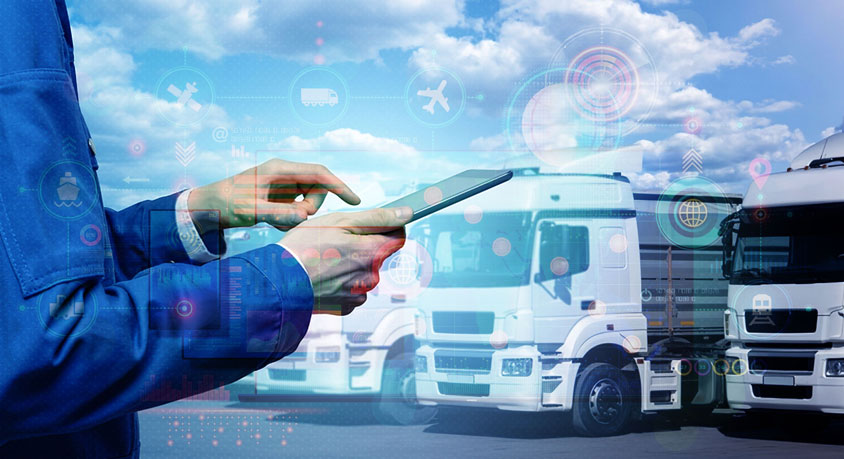
As the bloodline connecting economic activities of different regions, the efficiency and safety of long-distance transportation are directly related to the overall development of the logistics industry. With the rapid development of Internet of Things (IoT) technology, smart fleet management systems have emerged, which have revolutionized the long-distance transportation industry with unprecedented accuracy and real-time performance.
Real-time fleet tracking: the perfect combination of GPS and on-board sensors
The core of IoT technology lies in the real-time collection and transmission of information. In the smart fleet management system, GPS positioning system and on-board sensors become the key to realize real-time tracking. GPS can accurately record the geographical location and driving speed of each vehicle, while the on-board sensors are responsible for monitoring the internal status of the vehicle, such as the engine temperature, oil pressure, tire pressure, etc. These data are uploaded in real time through the IOT technology. These data are uploaded to the cloud server in real time through IoT technology, and fleet managers can keep track of the entire fleet at any time by simply using a computer or cell phone APP.
Dual optimization of fuel efficiency and driving behavior
The smart fleet management system provides fleet managers with a scientific basis for optimizing fuel consumption and driving behavior through in-depth analysis of vehicle operation data. The system can monitor the fuel consumption of vehicles in real time and customize fuel-saving solutions for each vehicle by combining road conditions, load capacity, driving habits and other factors. At the same time, by monitoring driver behavior, such as rapid acceleration, harsh braking, speeding, etc., the system can automatically assess the reasonableness of driving behavior and provide suggestions for improvement. This kind of refined management not only helps reduce operating costs, but also improves driver safety awareness and reduces traffic accidents caused by bad driving habits.
Remote fault detection and preventive maintenance: improving vehicle reliability
IoT technology also empowers smart fleet management systems with remote fault detection and preventive maintenance. Through vehicle status data collected by on-board sensors, the system is able to detect potential mechanical failures or performance degradation trends in advance and issue timely warnings. This not only reduces the risk of vehicle stoppages due to sudden breakdowns, but also enables fleet managers to rationalize maintenance schedules and avoid unnecessary downtime. In addition, the system can also intelligently recommend maintenance items and replacement cycles based on the actual use of the vehicle to maximize the use of maintenance resources.
Decision-making support: big data to improve management efficiency
The massive data accumulated by the smart fleet management system provides fleet managers with powerful decision support. Through data analysis, managers can clearly see which routes are the most cost-effective, which time periods are transportation peaks, and which models are more suitable for specific types of cargo transportation. These insights help to develop more scientific and reasonable transportation plans and improve overall operational efficiency.
The emergence of smart fleet management systems not only greatly improves the safety and efficiency of transportation, but also promotes the digital transformation and intelligent upgrading of the entire industry. With the continuous progress of technology and the continued expansion of application scenarios, long-distance transportation in the future will definitely be greener, smarter and more efficient.
Disclaimer: Mention of any brand or trademark is for identification only and does not imply partnership or endorsement