I was scrolling through TikTok at 2 a.m. when a video stopped me cold: some guy flew through Super Mario 64 like he had a cheat code for reality. One minute he was backflipping over Bowser, the next he was phasing through a wall, and before I could blink, the credits rolled—total time: 9 minutes flat. I’d spent hours as a kid just trying to collect 10 stars; this felt like watching someone speak a language the game itself didn’t know it had. That’s the first time I got what speedrunning really is: not "breaking" games, but turning them into something new—something weird, wild, and weirdly artistic.
It’s not a new vibe, either. Speedrunning’s been around since gamers first picked up controllers. Back in the ’80s, kids huddled around Nintendos comparing how fast they could beat Super Mario Bros.—no fancy timers, just bragging rights on the school playground. But it blew up once the internet hit: suddenly, a kid in Ohio could watch a pro in Japan nail a glitch for The Legend of Zelda, and boom—they’re collaborating to shave 5 seconds off the record. What started as a casual contest became a full-on culture, with rules, communities, and even tournaments where players go head-to-head like athletes.
Let’s break down the lingo, ‘cause it’s not just "go fast." The OG category is Any%—basically, "get to the end as fast as humanly possible, no rules (except no cheating)." Think of it as taking every shortcut imaginable: skipping levels, using glitches to fly, even ignoring the main story if it saves time. Then there’s 100%—the opposite. That’s collecting every coin, every item, every secret before crossing the finish line. It’s like doing a marathon while stopping to pick up every flower along the way, and somehow still finishing in record time. Both take absurd skill, but they’re totally different vibes—Any% is chaos with a plan, 100% is patience turned into speed.
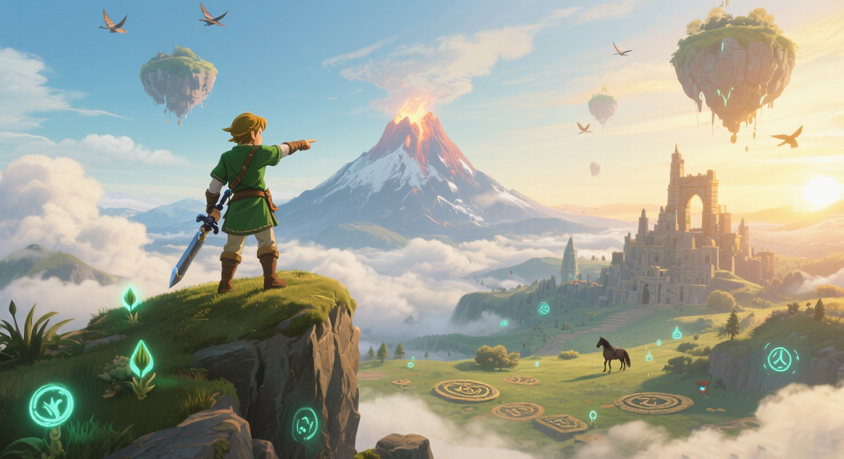
The real magic, though, is the glitches. These aren’t hacks—they’re little cracks in the game’s code that players dig up like treasure. Take The Legend of Zelda: Breath of the Wild: speedrunners found a way to "clip" through rocks by standing just right and dropping a bomb—something the game’s designers probably never even considered. Or Dark Souls: there’s a trick where you jump off a ledge at a specific angle to skip an entire boss fight. It sounds like cheating, but here’s the thing: it’s not easy. Finding these glitches takes hours of testing, and pulling them off perfectly? It’s like hitting a bullseye while running. Players don’t just "use" glitches—they master them, turning mistakes in code into intentional, beautiful moves.
And none of this happens alone. The speedrunning community is the glue. Sites like Speedrun.com are where records get verified, strategies get shared, and new players learn the ropes. If someone finds a new glitch for Stardew Valley that cuts 2 minutes off the Any% time, they don’t hoard it—they post a tutorial. When a runner breaks a long-standing record, the comments blow up with "INSANE!" and "How did you nail that clip?!" It’s a vibe of "we’re all in this together to go faster," which is rare in a world where so much online stuff feels competitive.
At the end of the day, speedrunning isn’t about "ruining" games. It’s about loving them so much you want to know every inch—every hidden code, every possible move—until you can dance with the game instead of just playing it. That guy in the Mario 64 video wasn’t breaking the rules; he was speaking the game’s secret language. And when you watch it? It’s not just fast—it’s art. Next time you see a speedrun, don’t think "that’s cheating." Think "that’s someone who cared enough to turn a game into something no one saw coming."
Disclaimer: Mention of any brand or trademark is for identification only and does not imply partnership or endorsement