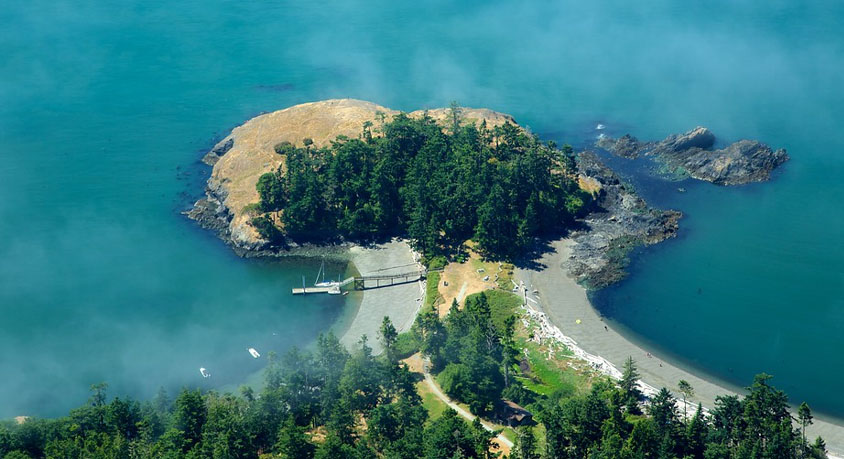
The salt spray from the Puget Sound clung to my eyelashes as I scrambled down the final, rain-slicked switchback leading to the West Point Lighthouse. High above me, the concrete jungle of downtown Seattle was pulsing with the frantic energy of a tech-boom metropolis, yet down here, the only sound was the rhythmic thud of waves against driftwood logs. I stood alone on the pebbled beach, watching a harbor seal bob curiously in the gray water, completely untethered from the world of $18 avocado toast and ride-share surges that defined my morning commute. It felt like walking through a seam in the fabric of the city, a place where the massive skyscrapers were suddenly nothing more than a faint, jagged silhouette against the eastern sky.
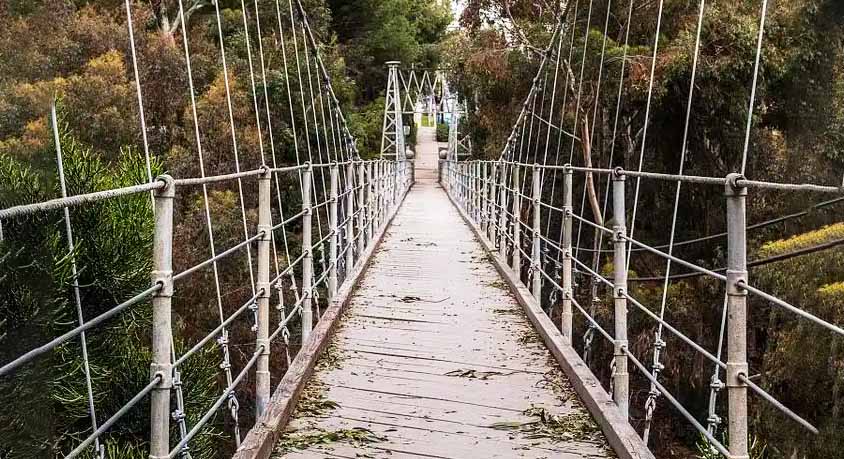
Pushing through the dense, fern-choked trails of Discovery Park feels like stumbling into a temperate rainforest that has no business being within city limits. While thousands of tourists were likely elbowing each other in the Pike Place Market for a glimpse of flying fish, I was navigating a labyrinth of madrona trees and towering conifers that seemed to absorb all human noise. The trail network here is sprawling and occasionally confusing, which is exactly why the crowds stay away; they prefer the manicured paths of Gas Works Park where you can see the skyline perfectly. I spent four hours traversing the loop, and for the vast majority of that time, the only creatures I encountered were a pair of pileated woodpeckers hammering away at a cedar snag and a very unimpressed deer that watched me pass from behind a thicket of salal.
Eating in Seattle is an exercise in avoiding the "tourist menu" trap that plagues the waterfront district. I grabbed a $9 banh mi from a hole-in-the-wall spot in the International District before heading to the park, knowing that if I waited until I was back downtown, I would be staring at a $25 salad bowl that promised "mindfulness" but delivered only disappointment. When you venture away from the main tourist hubs like the Space Needle, the price of a hearty, authentic meal drops by half, and the quality—particularly for the region's incredible Vietnamese and Korean staples—skyrockets. The locals aren't hoarding these spots; they are just too busy enjoying their food to post it on social media.
Booking a stay in the city requires a bit of tactical navigation to avoid the "urban resort fees" that have become the bane of my existence. I opted for a small, refurbished motor lodge just outside the downtown core; it was clean, featured free parking, and cost $140 a night, which is practically a miracle compared to the $400-a-night glass towers that charge you extra for a view of another glass tower. Transport is equally manageable if you resist the urge to summon an expensive car every time you need to move. I utilized the King County Metro buses to reach the park entrance, which cost me a few dollars and gave me a front-row seat to the daily life of the city, far away from the insulated bubble of a private taxi.
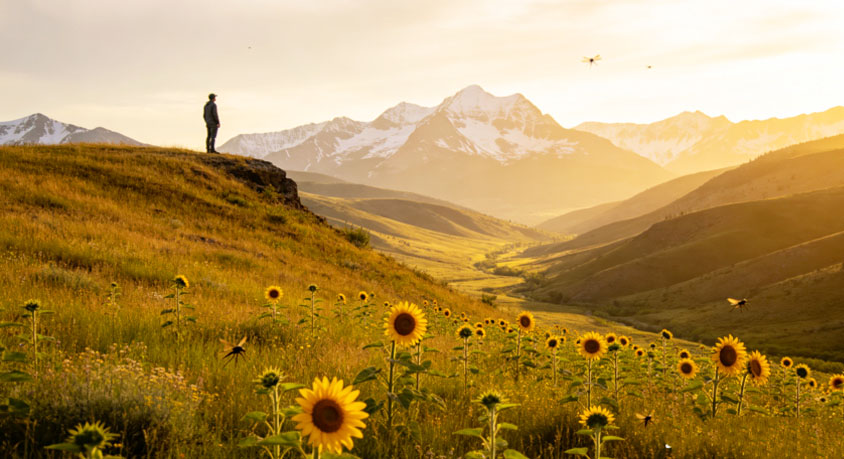
Hidden gems like the secluded bluff at the park’s northern edge offer a cultural richness that no ticketed attraction can match. I sat there as the clouds broke, watching the Olympic Mountains emerge in the distance, a sight that is entirely free and yet feels more valuable than any guided tour I’ve ever paid for. Another quiet refuge is the small, volunteer-run bird-watching blind tucked near the forest edge; it provides a stillness that is jarringly beautiful. These places don't have gift shops or curated gift bags, and that is their greatest strength. They offer the raw, unfiltered beauty of the Pacific Northwest without asking you to open your wallet every ten minutes.
Planning a trip between March and June is a gamble against the infamous "liquid sunshine." You might land from a six-hour flight from the East Coast expecting a spring thaw, only to be greeted by a horizontal downpour that tests your Gore-Tex to its limits. However, this is precisely when the city feels most authentic. The parks are lush, the crowds are thin, and the prices for flights are lower than the peak summer season. I watched the weather turn from a grey drizzle to a brilliant, sharp sun in under twenty minutes, a phenomenon that forces you to live entirely in the moment. It’s an unpredictable, often damp experience, but it’s the only way to see the city when it isn't posing for the cameras.
Disclaimer: Mention of any brand or trademark is for identification only and does not imply partnership or endorsement