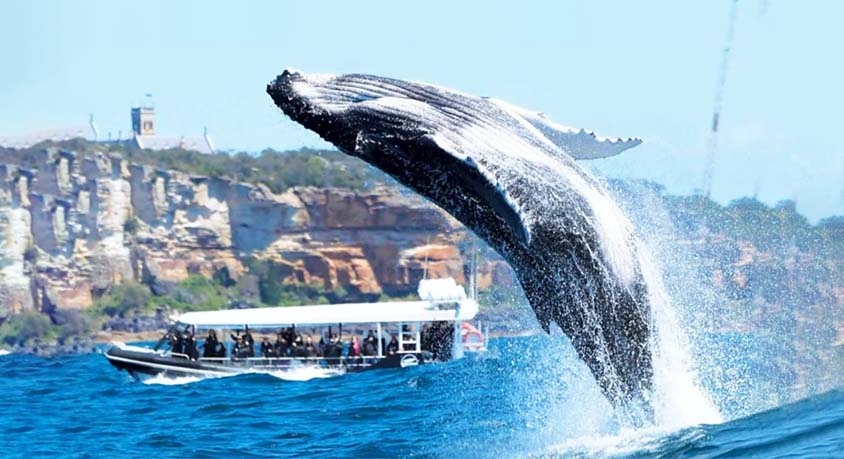
The spray from the Atlantic hit my face like a handful of wet gravel, cutting through the three layers of wool I had foolishly thought would be enough for a late May morning in Boston. I stood at the very edge of the pulpit, my knuckles white against the cold railing, watching a single, rhythmic plume of mist rise from the slate-gray water about fifty yards out. There was no theatrical splash, no cinematic soundtrack, just the heavy, wet exhale of a humpback whale that sounded like a giant sighing after a very long day. Everyone around me held their breath, cell phones momentarily forgotten, as the massive fluke slid silently back into the abyss, leaving nothing but a "footprint" of calm, glassy water on the surface.
I had boarded the high-speed catamaran at Long Wharf with a healthy dose of skepticism and a $65 ticket that felt like a steep gamble for a "chance" to see a fin in the distance. The pier was a chaotic mess of tourists paying $15 for lukewarm clam chowder and $25 for parking that probably cost more than the car itself. To avoid the financial hemorrhaging that starts the moment you touch the Boston waterfront, I took the Blue Line T for $2.40 and walked past the overpriced harbor-side "cafes" to a small Italian deli three blocks inland. There, I grabbed a massive $11 North End sub that actually had flavor, rather than the bland, overpriced "Boatside Wraps" sold on the vessel for $18. If you eat where the sea breeze hits the tables, you’re paying a "view tax" that doesn't actually buy you a better view of the whales.
The accommodation market in Boston during the spring is a bizarre landscape where a "budget" room in a brick-walled walk-up starts at $280 because it’s "historic." I bypassed the Seaport hotels, which were quoting $450 a night for the privilege of being near the aquarium, and stayed in a guesthouse in Quincy. It cost me $145 a night and placed me right on the Red Line, which spit me out at South Station in twenty minutes. The difference in price paid for my entire weekend of meals. When I checked in, the owner looked at my light windbreaker and laughed, handing me a heavy fleece he’d left in the lobby. "The ocean doesn't care that it's May," he told me, and he was right; the temperature on the Stellwagen Bank is consistently twenty degrees colder than the Common, a detail the glossy brochures conveniently forget to mention while showing people in tank tops on the deck.
I spent an afternoon at the Mapparium inside the Mary Baker Eddy Library, a place most tourists ignore in favor of the crowded Freedom Trail. For $6, I walked through a three-story stained-glass globe that looks like something out of a Wes Anderson fever dream. The acoustics are so sharp that you can whisper to someone thirty feet away across the bridge, and they’ll hear you like you’re standing in their ear. It’s a silent, breathtaking alternative to the loud, $30-per-person museum experiences found closer to the water. Later, I found myself at the Boston Public Library’s courtyard, which is free and offers a Mediterranean-style escape from the city’s frantic pace. I sat by the fountain with a $3 coffee, watching students argue over philosophy, feeling like I had stumbled into a secret club that the tour buses hadn't discovered yet.
Getting around this city is a contact sport if you try to use a car, so I stuck to my feet and the ferries. While everyone was waiting for $30 Ubers to cross the harbor, I hopped on the MBTA Commuter Ferry for a few dollars. It offers the exact same skyline view as the private "Sunset Cruises" that charge $50 plus a two-drink minimum. On the way back from the whale watch, I watched a family realize they had been charged an "automatic gratuity" on their $12 sodas at the boat's galley—a hidden fee that exists solely to catch the sea-dazed traveler off guard. I kept my reusable water bottle tucked in my bag, having filled it for free at a park fountain before boarding.
The spring season in New England is less a "bloom" and more a "slow thaw" mixed with unpredictable rain. If you fly in from the West Coast or the South, expect a six-hour trek followed by a sudden realization that your "spring wardrobe" is woefully inadequate. The whale sightings are actually more consistent in this late-spring window as they return to feed, but the crowds are only about 40% of what they will be in July. I stood on the deck as we headed back to the harbor, watching the skyline grow larger, feeling the silence of the other passengers. We weren't quiet because we were disappointed; we were quiet because seeing something that old and that large makes your $65 problems feel very, very small.
Boston will happily take every cent you have if you let the harbor-side neon guide you; turn your back to the water to find the real city.
Disclaimer: Mention of any brand or trademark is for identification only and does not imply partnership or endorsement