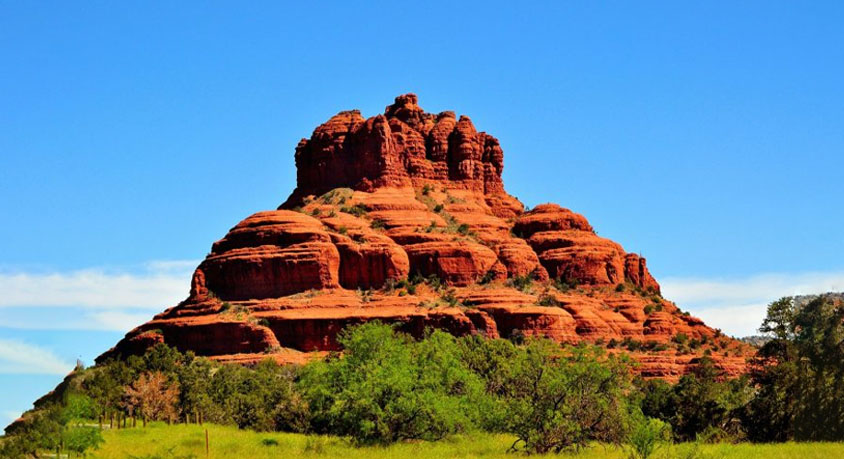
The dust from a passing tour Cadillac swirled into my overpriced prickly pear margarita, settling like a fine, rust-colored glitter over the salt rim. I sat on a terrace in Uptown Sedona, watching a woman in head-to-toe linen try to "feel the resonance" of a vortex while standing three feet away from a bustling Starbucks. Everyone tells you that Sedona is a spiritual sanctuary, a place where the earth breathes and your soul aligns, but as I watched a line of twenty identical pink Jeeps rev their engines for the sunset rush, I realized the only thing vibrating was the collective credit card debt of a thousand tourists. The red rocks were glowing, sure, but the neon "Psychic Reading" signs were glowing just a little bit brighter.
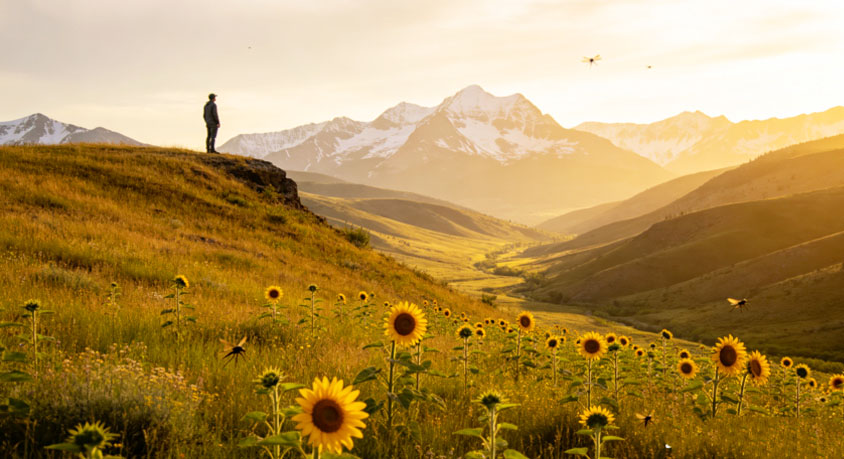
I ditched the main drag the next morning, steering my rental car away from the $30-a-day parking lots and toward a nondescript gravel turnout near Dry Creek that most people ignore because it doesn’t have a gift shop. Walking into the brush, the silence finally hit me, replacing the constant hum of idling engines. I met an old guy named Miller who was sketching a juniper tree; he didn’t ask me about my aura, he just handed me a jug of water and told me that the "vortex" energy people pay $150 to find is actually just the sound of the wind catching in the sandstone pockets. He pointed toward a ridge that wasn't on the AllTrails Top 10 list, a place where the sandstone layers looked like stacked pancakes dripping with burnt sienna syrup. It cost me exactly zero dollars to sit there for three hours, watching the shadows stretch across the canyon floor, while the crowds at Devil’s Bridge were likely standing in a forty-minute line just to take a five-second photo for Instagram.
The financial math of this town is a fascinating exercise in "Vortex Inflation." If you eat at the places with the best views, you’re essentially paying a $15 surcharge for the privilege of looking at a rock while eating a mediocre burger. I found that if I drove ten minutes south to Village of Oak Creek, the prices dropped by thirty percent. I sat in a hole-in-the-wall spot called Tortas De Fuego, shoving a $12 chorizo torta into my face while a local construction crew debated the best fishing spots. Compare that to the $28 "Energy Bowl" I saw in town, which was mostly wilted kale and pretension. In Sedona, the "tourist price" isn't a secret tax; it’s just the default setting for anyone who doesn't know how to use a grocery store or find a taco truck.
Staying in the heart of the canyon is a rookie mistake that will drain your savings faster than a flash flood. I opted for a modest motel on the outskirts that looked like it hadn't been renovated since the 90s, but it was clean and, crucially, didn't charge a "Resort Fee" for the use of a communal fire pit I never intended to touch. The fancy resorts charge upwards of $600 a night for the same stars you can see from a sleeping bag in the Coconino National Forest. I spent about $140 a night, which felt like a steal when I realized I was only using the room to crash after hiking twelve miles. If you have a vehicle with high clearance, you can even find dispersed camping spots for free, though you’ll have to trade a hot shower for a view that makes the Enchantment Resort look like a crowded suburban cul-de-sac.
Transportation is where the hidden fees really bite you if you aren't careful. The Sedona Shuttle is actually a great, free resource that many people ignore in favor of trying to park their SUVs in lots that were full by 7:00 AM. I saw a family spend forty-five minutes circling a trailhead lot, getting increasingly frustrated, while I hopped off the shuttle and was half a mile up the trail before they even turned off their ignition. Don't bother with the guided trolley tours unless you enjoy being lectured about geology by someone wearing a cowboy hat who is clearly working for tips. Just lace up your boots and walk; the city is surprisingly walkable if you stay in the West Sedona area, where the sidewalks actually exist and the coffee shops don't charge you extra for "infused" water.
As the spring heat began to climb toward the 90s in late May, I found my way to an overlook near Loy Canyon that was completely deserted. While the rest of the world was suffocating in the mid-day heat at Slide Rock State Park—which, honestly, feels more like a crowded public pool in Vegas than a natural wonder—I was sitting in the shade of a massive overhang, listening to a raven argue with the wind. From the U.S. East Coast, it’s a long haul—usually a flight to Phoenix and a two-hour drive—but the shift from the humid chaos of the Atlantic to the bone-dry, ancient stillness of the high desert is a reset button for the brain. The trick is to visit during the Tuesday-through-Thursday window; by Friday afternoon, the license plates from California and Texas descend like a swarm, and the prices for everything from gas to gelato seem to tick upward by a dollar.
I spent my last evening back in that quiet spot Miller told me about, watching the sun dip below the horizon. The rocks didn't hum, and no ancient spirits whispered stock market tips into my ear. It was just a beautiful, quiet, dusty place that reminded me that the best parts of travel aren't the ones we buy tickets for. I walked back to my car, my boots caked in red mud, feeling richer for having spent so little.
Sedona is only a tourist trap if you insist on being the bait; skip the crystals, find the quiet dirt paths, and eat where the locals do.
Disclaimer: Mention of any brand or trademark is for identification only and does not imply partnership or endorsement