Luxor, Egypt, known as the "museum capital of the world", is one of the birthplaces of ancient Egyptian civilization. As one of the best preserved ancient sites in the world, Karnak Temple is undoubtedly the soul of the city. Standing in front of the magnificent ruins of this temple, I can't help but lament that thousands of years of history have carved it into a quiet legend. The cold winter is the best time to visit this ancient temple. There was no hot desert sun, only a warm and pleasant climate, as if I had been given the perfect opportunity to travel through history.
The history and charm of Karnak Temple
Karnak Temple is not only one of the most famous religious buildings in Egypt, but also the most important worship center in ancient Egypt. Located on the west bank of the Nile River, its construction began around 2000 BC and was extended and decorated by different pharaohs over several hundred years until it reached its peak around 1000 BC. The main function of this temple is to worship the ancient Egyptian sun god Amun, which is one of the most important religious ritual sites in ancient Egypt.
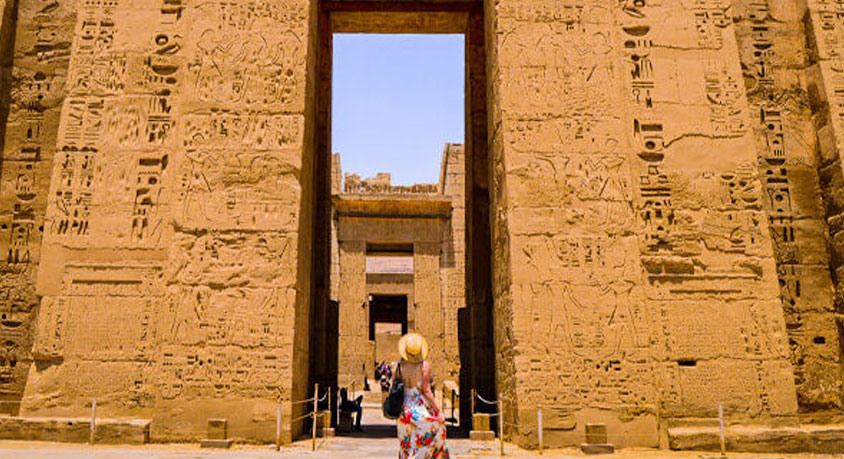
The sheer size of the Karnak Temple is breathtaking, especially its "forest of pillars". The temple has a majestic colonnade, tall and straight columns, engraved with exquisite relief and hieroglyphics. The reliefs tell stories of pharaohs 'victories and religious rituals, as well as ancient Egyptian mythology. As I walked among these huge stone columns, it seemed that each stone carving told a lost story, leading me back to a glorious time thousands of years ago.
Why is winter the best time to visit Karnak Temple
Egypt's sweltering summers, with temperatures often exceeding 40 degrees Celsius, keep most tourists away from the season. In winter, the temperature in Egypt is relatively moderate, around 20 degrees Celsius during the day, and the sun is bright but not harsh, which is perfect for visiting these magnificent historical sites. For me, Egypt in winter is the perfect time: there is no hot sun and it is not easy to be disturbed by crowds. The fresh air in the early morning and the relative lack of tourists allowed me to settle down and savor the magnificence of Karnak Temple.
In winter, Luxor is mild during the day and slightly colder at night, making a visit to this temple a rare treat. Standing in front of the broad temple, I can feel the breath of this ancient land with my heart and enjoy the baptism of history and culture, rather than being forced to hurry forward by the hot sunshine.
Into the Splendour of Ancient Egypt: A journey of discovery in the Temples
Entering Karnak Temple, I was first attracted by the huge columns in front of me. The most famous "giant pillar forest" in the temple is composed of 134 huge stone columns, which are up to 24 meters high, like a "forest" of stone sculptures, giving people a shocking visual impact. Each pillar is carved with detailed hieroglyphics and reliefs, recording the victories of pharaohs and the myths of gods. Standing here, it seems that you can hear the echo of history and feel the piety and admiration of countless pilgrims.
I walked slowly past the pillars, examining every detail of the carving. Each relief tells the myth and history of ancient Egypt, and the walls and pillars of the temple are engraved with the sacred image of the pharaoh and the scene of sacrifice. Here, it was as if I had a silent conversation with the great civilization of ancient Egypt. At this moment, I feel incredibly small and lucky to be able to stand on such a historic site and touch this glorious time in person.
At the back of the temple is a huge altar, in front of which is a magnificent stone statue. Standing here, I saw the setting sun sprinkled on the stone statues, the golden brilliance and the ancient stone carvings each other, forming a beautiful picture. At this time, I truly realized that the beauty of Karnak Temple lies not only in its size, but also in the depth of culture and history it carries.
The ruins of Karnak Temple collide with modern society
Although the Karnak Temple has weathered thousands of years, it still stands on the banks of the Nile, witnessing the rise and fall of Egyptian civilization. In this sacred land, the temples built by ancient Egyptians are skillfully integrated with modern tourist facilities, so that every visitor can find the opportunity to dialogue with history here. The winter sun shines on the old stone walls, complementing the fresh atmosphere of the surrounding modern facilities. When I visited the temple, I couldn't help feeling that the ancient civilization and the modern tourist culture are perfectly intertwined here.
Karnak Temple is also listed as a UNESCO World Heritage Site and attracts thousands of tourists every year. And in winter, when there are fewer tourists, it means I can enjoy the intimacy of this ancient temple without being disturbed. That's why winter is the best time to visit: without the heat of midsummer or the bustle of summer tourists, just a quiet, fresh environment and a rich historical atmosphere.
The Last Meditation: A Dialogue between the Temple and time
By the time I stepped out of the ruins of Karnak, the sky was getting dark and the sun was turning red. Standing on the high ground of the temple, I looked back at the towering columns and the majestic altar, and my heart could not calm down for a long time. The history and culture here make me feel the circulation of time and the charm of immortality. I realized that no matter how many years passed, the glory of Karnak Temple would always exist, and it would always tell the legend of ancient Egyptian civilization in this land.
In the warm winter sun, every stone tablet and pillar of Karnak Temple glows with the light of history. Walking around this sacred site, I felt a deep connection to history. Egypt in winter, as if a dialogue with the past, gives people a sense of immersive shock. This is a journey about time and culture, but also a journey through thousands of years of history.
Disclaimer: Mention of any brand or trademark is for identification only and does not imply partnership or endorsement