



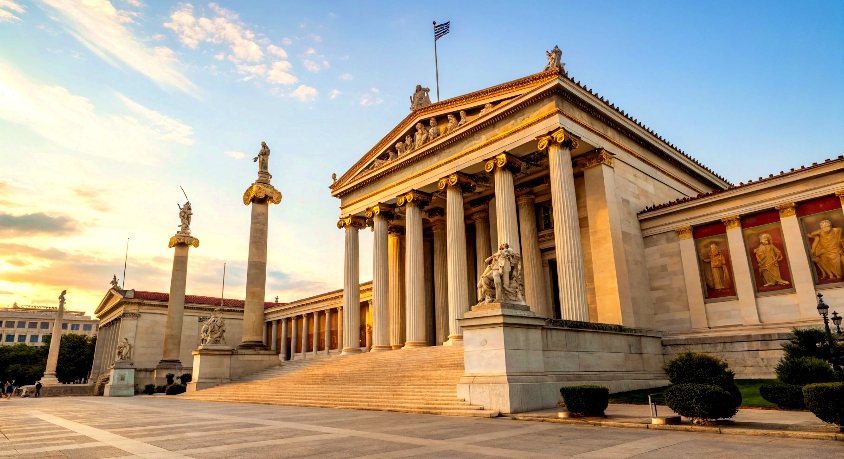
Visiting the Greek Roman Museum in Alexandria was like stepping back in time to the ancient world. Located in the heart of Alexandria, this museum offers a fascinating glimpse into the city's rich history. As I walked through its doors, I could feel the weight of history surrounding me. The museum is not very large, but it is packed with treasures from the ancient Greek and Roman periods, which once heavily influenced the culture and architecture of Alexandria.
The building itself was simple yet elegant, and its layout made it easy to navigate from one exhibit to the next. The museum’s rooms were filled with statues, mosaics, pottery, and artifacts that told the stories of people who lived thousands of years ago. The exhibits were well-organized, making it clear how different periods of history had influenced each other. I could see the seamless blend of Egyptian traditions with the Greek and Roman influences that shaped Alexandria.
The first exhibit I visited was filled with statues. Some of them were of gods and goddesses, while others depicted famous historical figures. I was particularly drawn to a large marble statue of a Roman emperor. It was incredibly detailed, capturing the ruler’s strength and power. There were also smaller statues of everyday people, showing the diversity of ancient life. The artistry of the pieces was stunning, with every feature carved to perfection. I couldn’t help but admire the craftsmanship and the amount of skill that went into creating such lifelike representations.
Moving on, I discovered an entire section dedicated to mosaics. These colorful works of art were made from tiny pieces of stone and glass, and they depicted everything from animals to people. One mosaic in particular caught my eye. It showed a beautiful scene of a banquet, with people eating and drinking, their faces full of joy. It was amazing to think that these tiny pieces of glass and stone could tell such a vivid story.
Next, I found a display of pottery. The pots and vases were all different shapes and sizes, each with unique designs. Some were simple, while others were incredibly ornate. I learned that many of these pots were used for daily activities like storing food and water, but some were also used in religious ceremonies. It was fascinating to see how the ancient Egyptians, Greeks, and Romans all used pottery in their lives, and how these items were decorated with beautiful designs and patterns.
One of the most interesting parts of the museum was the section that highlighted the influence of the Greek and Roman cultures on Alexandria. I was amazed at how much the ancient Greeks and Romans had shaped the city, especially after they conquered Egypt. Many of the artifacts in this section showed how Greek and Roman architecture, language, and art influenced the local Egyptian culture.
I saw examples of Greek and Roman columns, which were used in many of Alexandria's famous buildings. The columns were made of stone and were beautifully designed, with intricate carvings that told stories about the people and gods of the time. It was easy to imagine how impressive these columns must have looked in the grand buildings they once supported.
The museum also had a collection of ancient coins, which were used as currency in both the Greek and Roman worlds. Each coin had the image of an emperor or a god, and they were often used as a way to celebrate important events or victories. I found it fascinating to think that these small pieces of metal had been used to trade goods and services thousands of years ago.
Another highlight of the museum was the section that focused on daily life in ancient Alexandria. Here, I saw tools and household items that were used by everyday people. There were cooking utensils, like large bowls and frying pans, and even jewelry worn by both men and women. It was easy to see how the people of Alexandria lived, and how they interacted with the world around them. There were also several displays showing how the ancient Egyptians, Greeks, and Romans used cosmetics and perfumes, with beautiful glass bottles that had been used to store oils and perfumes.
One display that caught my attention showed a collection of medical instruments. These ancient tools were used by doctors to treat everything from broken bones to illnesses. Some of the tools looked surprisingly modern, and it was incredible to think that ancient civilizations had developed such advanced medical techniques. There was also a section dedicated to the art of mummification, showing how the Egyptians prepared bodies for the afterlife. It was both fascinating and a bit eerie to see the detailed process that the Egyptians followed to preserve their dead.
As I continued my journey through the museum, I stumbled upon an exhibit with ancient paintings and more mosaics. These pieces of art were stunning, each one telling a different story. Some of the paintings showed mythological scenes, with gods and goddesses in beautiful, vibrant colors. Others depicted people going about their daily lives, showing scenes of work and play. The paintings had an ethereal quality to them, and it was amazing to think about how these images had been preserved for so many years.
The mosaics in this section were different from the ones I had seen earlier. They were larger and more complex, with intricate patterns and designs. Some of them were used to decorate floors in ancient villas and temples, and it was easy to see why they were so prized by their owners. The colors in the mosaics were so vivid, and they seemed to come to life when viewed up close. It was almost as if I could step into the scenes and become part of the story.
Walking through the Greek Roman Museum in Alexandria was like taking a journey through time. Each exhibit brought the past to life in a way that made history feel real and tangible. I could almost hear the sounds of ancient Alexandria—the bustling market, the voices of scholars discussing philosophy, and the laughter of people enjoying life along the Nile. The museum provided a glimpse into the lives of the people who once lived in this incredible city, and I left with a greater appreciation for the ancient world and the civilizations that shaped it.
Disclaimer: Mention of any brand or trademark is for identification only and does not imply partnership or endorsement