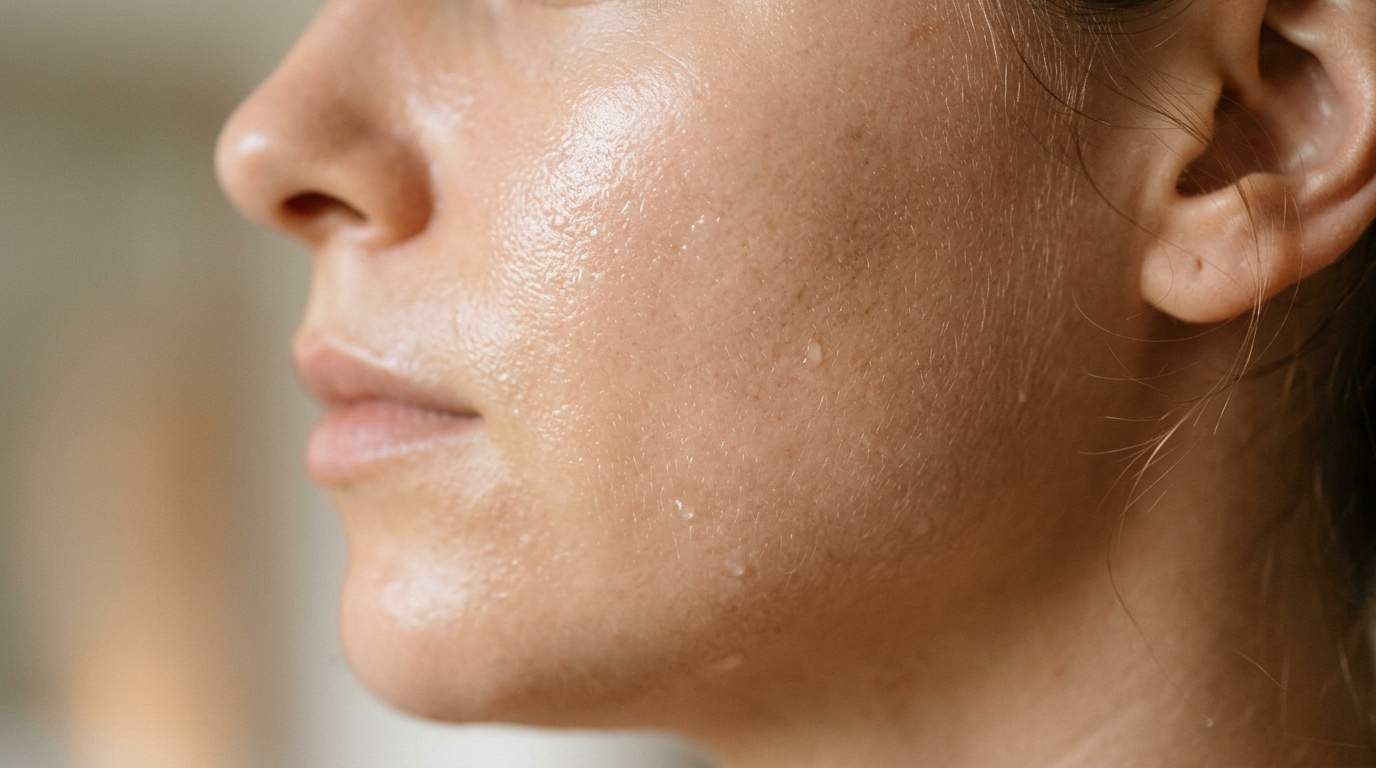
You diligently apply your moisturizer morning and night, hoping for that coveted glowing skin. Yet, the persistent frustration of investing time and money into a skincare routine often culminates in disappointment. By midday, your skin might still feel tight, look dull, or those tiny dry patches peek through your foundation. Perhaps you even battle an oily sheen or unexpected breakouts, despite using products labeled "hydrating." It's easy to feel defeated, wondering if your efforts are wasted when you seem to be doing everything right, but getting nowhere.
This common scenario isn't merely about finding the "perfect" product; it often signals a fundamental misunderstanding of how your skin truly retains moisture and achieves balance. What if your seemingly "dry" or "oily" skin isn't just about a superficial lack of moisturizer, but a persistent state of dehydration, regardless of the products you use? And could it be that some of your go-to skincare items are inadvertently hindering your skin's natural ability to repair itself and maintain optimal health?
To peel back these layers, we must first distinguish between dry skin and dehydrated skin. Dry skin is a skin type, characterized by a lack of natural oil (sebum) production, leading to a compromised lipid barrier. Dehydrated skin, on the other hand, is a skin condition where there's a lack of water in the outermost layer of the epidermis, the stratum corneum. Crucially, even oily skin can be severely dehydrated, leading to an overcompensation in oil production to protect itself, paradoxically resulting in more oiliness and breakouts.
At the heart of true skin hydration lies the integrity of your skin barrier. Imagine this barrier as a meticulously constructed brick wall, where the "bricks" are your skin cells (corneocytes) and the "mortar" is a complex blend of lipids – ceramides, cholesterol, and fatty acids. This wall is your primary defense against environmental aggressors and, more importantly for hydration, it prevents transepidermal water loss (TEWL), the insensible evaporation of water from your skin.
Dermatological research consistently highlights that ceramides alone constitute approximately 40-50% of the epidermal lipids, with cholesterol making up 20-25% and free fatty acids 10-25%. A deficiency or imbalance in any of these crucial components directly compromises the barrier's integrity, akin to missing mortar in our brick wall. This vulnerability allows water to escape more readily, even if you're applying an occlusive moisturizer.
Many daily habits, often mistakenly believed to be beneficial, can inadvertently compromise this delicate barrier. Harsh cleansers, especially those that foam excessively or contain strong sulfates, can strip away natural lipids, leaving the barrier exposed. Over-exfoliation, whether mechanical or chemical, can also remove too many protective layers too quickly, creating microscopic breaches. Similarly, environmental factors like low humidity, extreme weather, and excessive sun exposure can accelerate barrier damage and TEWL.
Beyond topical applications, our internal state profoundly influences skin hydration. Adequate systemic hydration, achieved by consistent water intake throughout the day, is foundational. Research published in Clinical, Cosmetic and Investigational Dermatology (2015) has indicated that increased dietary water intake positively influences skin hydration, especially in individuals with lower baseline water intake. Lifestyle factors such as chronic stress, insufficient sleep, and even certain dietary deficiencies can disrupt the skin's natural repair processes, exacerbating dehydration and barrier dysfunction.
True hydration, therefore, extends far beyond merely "putting water" on your skin or sealing it in with thick creams. It's about rebuilding and supporting your skin's intrinsic ability to retain moisture. This means fostering a healthy skin barrier using ingredients that mimic its natural components (like ceramides, cholesterol, and fatty acids) and those that actively draw moisture from the environment into the skin (humectants like hyaluronic acid and glycerin). Occlusives, while helpful, should ideally be the final step to seal in moisture that is already present or has been drawn in by humectants.
To truly transform your skin's hydration, consider a holistic approach. Opt for gentle, pH-balanced cleansers that respect your skin's acid mantle. Prioritize internal hydration by drinking sufficient water. Integrate a humidifier into your living space, especially in dry climates or during colder months, to add moisture to the air. Layer your skincare, applying humectant-rich serums to damp skin before following with a barrier-supporting moisturizer that contains emollients and a light occlusive. Finally, always protect your skin from UV radiation, a known aggressor to barrier integrity. By understanding and respecting your skin's intricate biology, you can move beyond superficial fixes and guide it towards genuine, lasting balance and glow.
Disclaimer: Mention of any brand or trademark is for identification only and does not imply partnership or endorsement