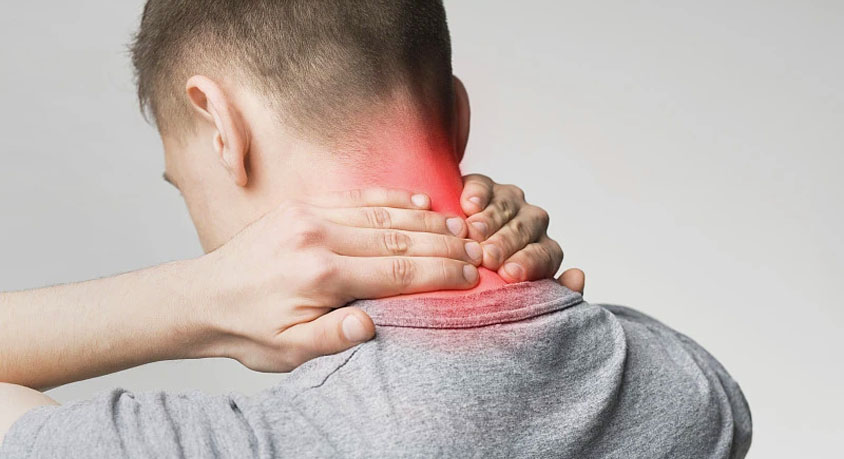



For decades, the image of health has been one of motion: the runner on the trail, the cyclist on the road, the steady rhythm of a beating heart. Cardio fitness is crucial, and its benefits are loudly celebrated. But quietly, beneath the surface of our skin, a different, more fundamental story of aging is being written. It begins around our fourth decade, often unnoticed—a gradual, persistent loss. We might blame a slower metabolism on “getting older,” or accept a slight stiffness as inevitable. Yet, these are not mere symptoms of time; they are signals of a specific asset depletion. This asset is skeletal muscle, and emerging science positions it not just as a mover of limbs, but as the body’s most critical endocrine organ for longevity. The paradigm is shifting: muscular strength is becoming a stronger predictor of mortality risk than blood pressure or even body mass index.
The process has a name: sarcopenia. From around age 30, we begin to lose muscle mass at a rate of approximately 0.5-1% per year, accelerating after 60. This isn't just about looking less toned. Muscle is metabolically expensive tissue; it’s a primary site for glucose disposal. When muscle mass declines, insulin sensitivity plummets, setting the stage for metabolic disorder. More profoundly, muscle is a secretory organ. It releases myokines—hormone-like proteins—that communicate with your brain, bones, liver, and fat tissue, regulating inflammation, cognitive function, and immune response. A 2022 study in the British Journal of Sports Medicine analyzed over a dozen studies and concluded that just 30-60 minutes of muscle-strengthening activity per week was associated with a 10-20% lower risk of all-cause mortality, cardiovascular disease, and cancer. Muscle, it seems, is currency you spend to buy healthspan.
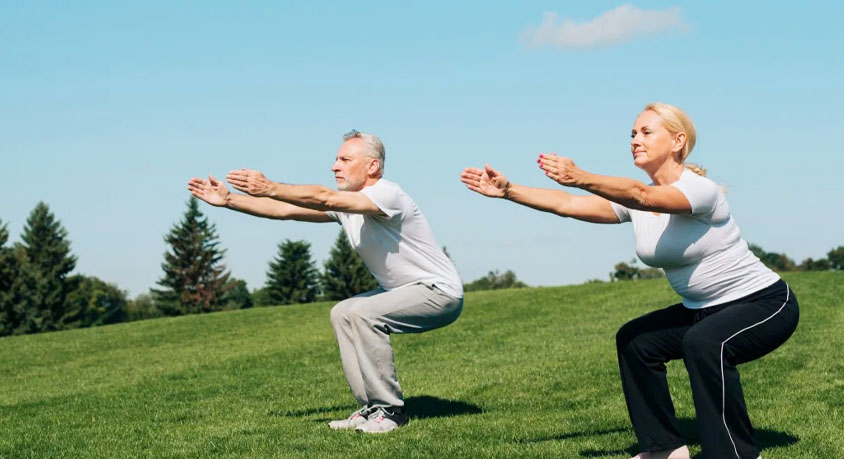
The good news is that this currency can be earned back at any age, and the transaction is simpler than we imagine. It doesn’t require a gym membership or lifting intimidating weights. The principle is “progressive overload”—gently, consistently challenging your muscles beyond their current capacity. This is the signal that halts the “disuse” memo your body has been receiving. The most efficient method is basic, compound resistance training: movements that involve multiple joints and muscle groups. Squats, push-ups (or their knee-modified version), rows using resistance bands, and step-ups. These aren't flashy, but they are foundational. They mimic the patterns of daily life—standing up from a chair, lifting an object, climbing stairs—and reinforce your body’s functional architecture.
The barrier for many isn’t knowledge, but a deep-seated narrative: “I’m not strong enough to start.” Or, “It’s too late.” This is where we must separate the cultural image of strength training from its physiological reality. You are not training to become a bodybuilder; you are training to become a resilient, metabolically robust human. Start with your body weight. A single set of five slow, controlled squats, focusing on form, is a powerful opening bid. Consistency—two or three times a week—trumps intensity. The goal is not to be sore for days, but to establish a dialogue with your musculature, telling it, “You are needed.” Pair this with adequate protein intake (aiming for a sensible 0.7-1 gram per pound of body weight, distributed throughout the day) to provide the building blocks for repair.
Ultimately, this is a quiet investment in autonomy. The strength to carry your own groceries, to play with your grandchildren on the floor, to rise from a fall unassisted—these are the dividends. We have been preoccupied with the engine of our heart and lungs, which is vital, but we neglected the very frame of the vehicle. Building and maintaining muscle is the most direct action you can take to compound your biological capital. It reshapes your metabolic destiny, fortifies your bones, and equips your system with the tools to manage inflammation and stress. It is, quite literally, an investment in the quality of every future day. The transaction begins not with a barbell, but with a decision: to value what you are slowly losing, and to quietly, persistently, reclaim it.
Disclaimer: Mention of any brand or trademark is for identification only and does not imply partnership or endorsement