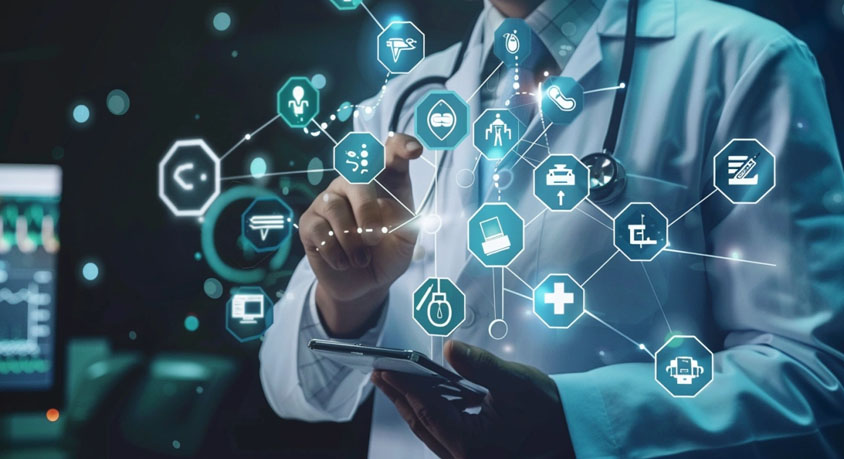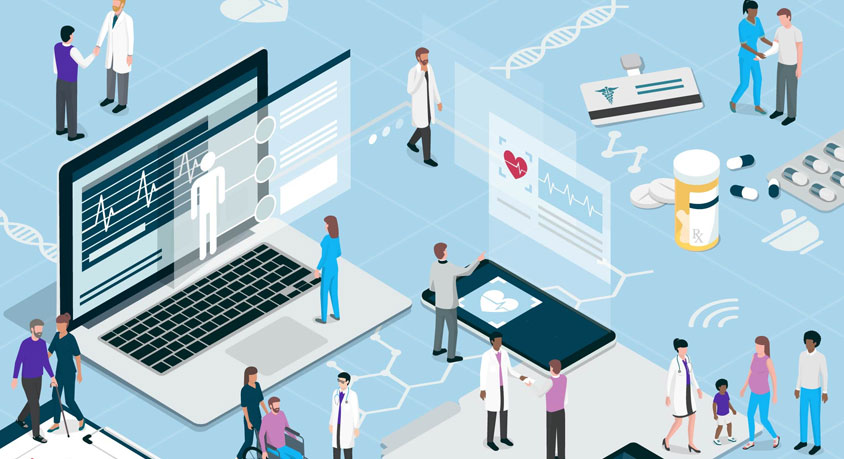
The application of Internet of Things (IoT) technology in the medical field provides strong support for the construction of smart hospitals. It closely connects all kinds of equipment and systems in the hospital with the Internet through smart sensing, identification and communication technologies, realizing the optimal allocation of medical resources and the smart upgrading of medical services.
IoT helps smart ward management
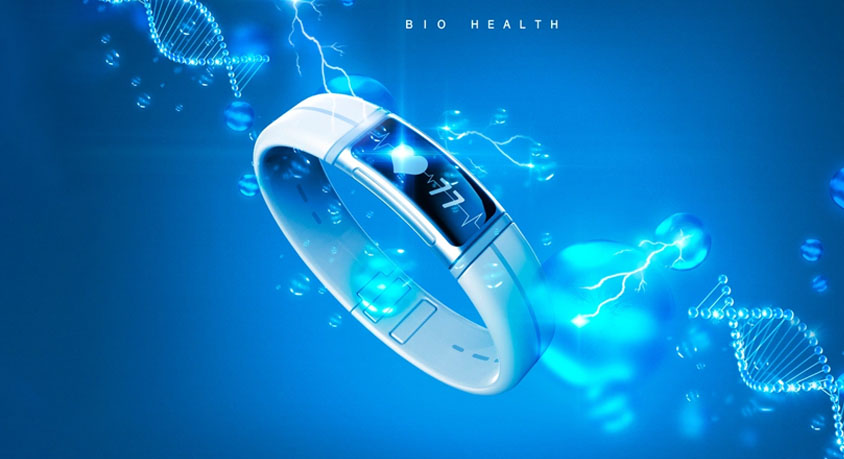
Through IoT technology, hospitals can realize real-time monitoring and smart control of the ward environment. For example, IoT sensors can collect real-time data such as temperature and humidity, air quality and other data in the ward, and automatically adjust air conditioning, fresh air and other equipment through a smart system to provide patients with a comfortable treatment environment. In addition, IoT technology can also be applied to the monitoring of patients' vital signs, such as real-time monitoring of patients' heart rate, blood pressure and other physiological indicators through wearable devices, and transmit the data to the terminal equipment of healthcare personnel, to detect abnormalities and take measures promptly.
Medical equipment networking: realizing remote monitoring and maintenance
The application of IoT technology in medical equipment networking is also of great significance. By connecting medical equipment to the IoT platform, hospitals can realize remote monitoring and maintenance of medical equipment. Medical staff can check the operating status, utilization and maintenance records of the equipment at any time, discover and deal with potential failures in time, and avoid the impact of equipment failure on medical services. At the same time, IoT technology can also help hospitals to fine-tune medical equipment management.
Patient tracking: improving the quality and safety of medical services
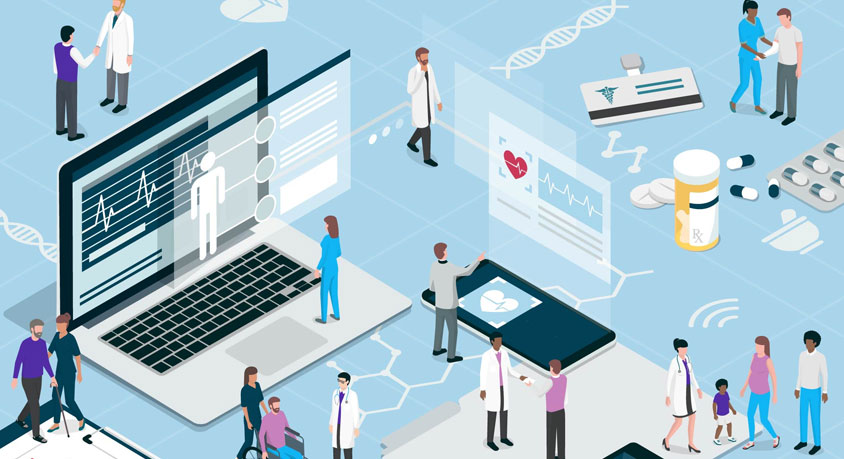
The application of IoT technology in patient tracking is also crucial. By wearing smart devices with positioning functions (e.g. RFID tags, smart bracelets, etc.) on patients, hospitals can track the location and activities of patients in real time. This is particularly important for the management of special patients to ensure their safety within the hospital and to prevent wandering or accidents. In addition, IoT technology can be combined with hospital access control systems and monitoring systems to form an all-round patient safety management system. The system can automatically alarm and notify medical staff when abnormalities occur, ensuring patients receive timely treatment.
Data-driven decision-making: optimizing resource allocation and process management
The application of IoT technology in smart hospitals is also reflected in data-driven decision-making. Through the large amount of medical data collected by the IoT platform, hospitals can conduct in-depth mining and analysis to discover potential problems and room for optimization. For example, through the analysis of patient consultation data, hospitals can optimize the processes of registration, consultation, payment, etc. to reduce patient waiting time; through the analysis of equipment usage data, hospitals can rationally allocate medical resources and improve equipment utilization. This data-based decision-making approach makes hospital management more scientific, precise and efficient.
The application of IoT technology in smart hospitals is of great significance in improving the efficiency of medical services, the quality of patient care and the level of hospital management. We can believe that through the practice and exploration of smart ward management, medical equipment networking, patient tracking and other application scenarios, we can expect that a more efficient, safe and comfortable medical environment is gradually becoming a reality.
Disclaimer: Mention of any brand or trademark is for identification only and does not imply partnership or endorsement