I went into Assassin’s Creed Shadows thinking I’d be a smooth, silent ninja—slipping through Edo-era Japan like a shadow, taking down bad guys with a flick of my wrist, and never breaking a sweat. I spent my first hour accidentally running into a group of samurai, tripping over a wooden bucket, and yelling “OH NO” as I fled into a bush while they chased me with swords. Turns out, being an assassin is less “cool movie montage” and more “chaotic improvisation”.
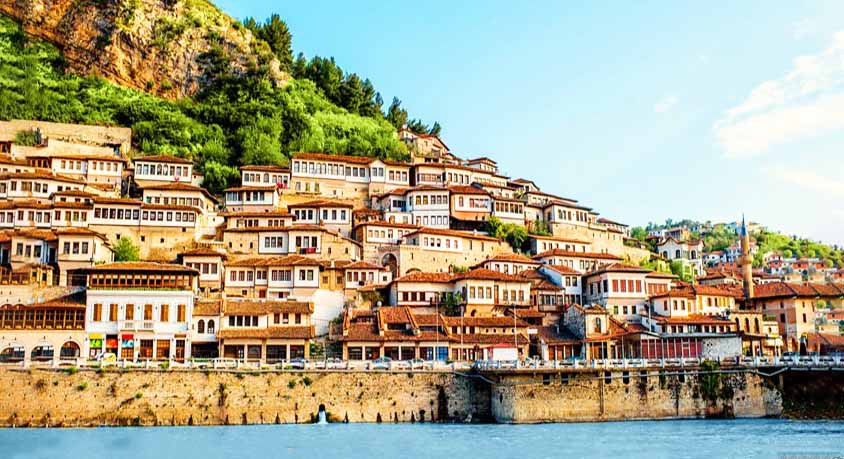
Let’s talk about the setting: Feudal Japan. It’s like the game designers took every vibe from a samurai movie, cranked up the detail, and said “go wild.” From the bustling streets of Edo (now Tokyo) where vendors shout in Japanese, to misty mountain temples hidden in forests, to cherry blossom-lined roads that look like they’re straight out of a painting—Shadows’ open world is a feast for the eyes. But it’s not just pretty; it’s lived-in. You’ll pass farmers hauling rice, kids chasing each other through alleyways, and monks meditating in quiet gardens. Even the smallest details feel intentional—like the way lanterns flicker in the wind, or the sound of rain hitting wooden roofs. It’s easy to get distracted from your assassin duties just wandering around, taking it all in (and stealing snacks from market stalls—don’t judge).
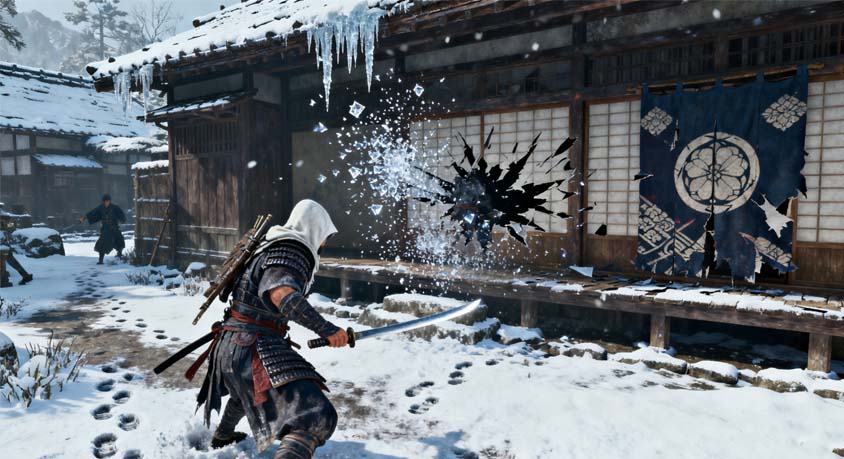
The star of the show is Naoe, our protagonist: a former ninja with a chip on her shoulder and a knack for getting out of tight spots. She’s not your typical “stoic hero”—she cracks jokes, gets frustrated when things go wrong, and has a soft spot for the underdogs she’s trying to protect. Her moves are equal parts badass and hilarious: she can climb walls like a spider, slide through tight spaces, and take down enemies with a silent blade… or accidentally knock over a stack of crates and cause a commotion. The stealth mechanics are satisfyingly flexible—you can go full ninja, hiding in bushes and using distractions to sneak past guards, or go loud (if you’re as clumsy as me) and fight your way out with a katana that feels weighty and powerful. The best part? You can switch between stealth and combat on the fly, so you never feel stuck with one playstyle.
Assassin’s Creed Shadows also nails the “Assassin’s Creed charm”—the mix of history and fantasy, the side quests that feel like little stories, and the quiet moments that make the world feel alive. One minute you’re infiltrating a shogun’s castle to steal a secret document, the next you’re helping a village elder find her lost cat (turns out, the cat was just napping in a tree—relatable). The side quests aren’t just fetch-and-deliver chores; they’re windows into the lives of ordinary people in feudal Japan. You’ll help a blacksmith save his shop from greedy nobles, teach a young ninja how to sneak properly (spoiler: he’s worse at it than I am), and even mediate a dispute between two rice farmers. These moments add heart to the game, reminding you that being an assassin isn’t just about killing—it’s about fighting for people who can’t fight for themselves.
The climbing can be finicky sometimes (I once got stuck on a roof for 10 minutes), and some of the main story missions feel a bit formulaic. But that’s part of its charm. Assassin’s Creed Shadows doesn’t take itself too seriously, and it lets you embrace the chaos. It’s the kind of game where you’ll laugh at your own mistakes, gasp at the plot twists, and feel proud when you finally pull off that perfect stealth takedown.
Disclaimer: Mention of any brand or trademark is for identification only and does not imply partnership or endorsement