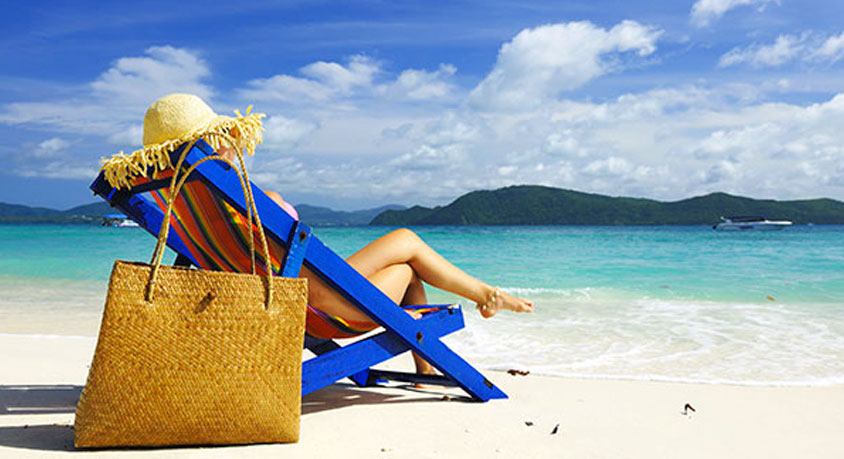
The salt air was thick enough to taste as I balanced on a narrow wooden plank, watching the sunrise bleed pink and gold over a forest of leaning coconut palms. I was in Siargao, a teardrop-shaped island in the Philippines that most people can't find on a map, and my total bill for the morning—including a fresh mango shake and a surfboard rental—was roughly six dollars. Just a year ago, I had been in the Bahamas, paying thirty dollars for a "resort fee" that didn't even include a towel, while being funneled through air-conditioned lobbies that felt like upscale malls. Here, the "lobby" was a sandy path and the "air conditioning" was the ocean breeze. I sat on my board in the lineup at Cloud 9, realizing that the most expensive tropical vacations are usually just high-priced illusions of the paradise that actually exists right here for the price of a local pizza.
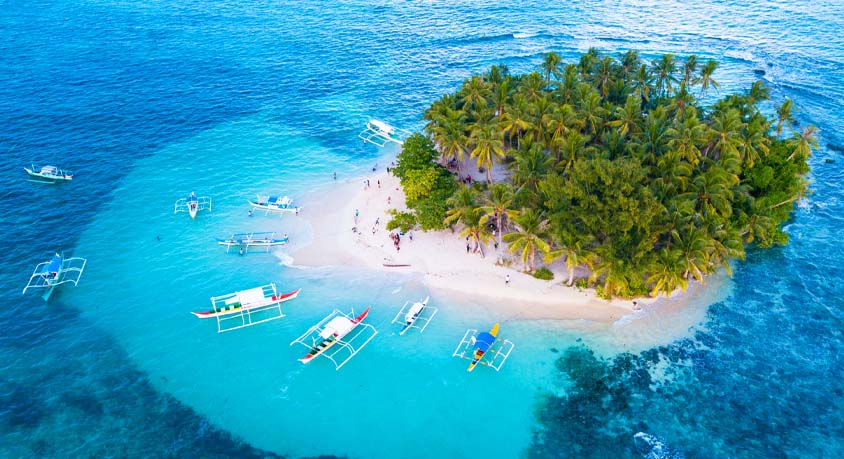
Most travelers are conditioned to think that "island luxury" requires an all-inclusive wristband and a buffet line. This is a massive financial trap designed for people who are afraid of the world. While the crowds are shelling out hundreds for a "private island tour" in more famous hubs, I spent my afternoon on a local "bangka" boat. For the price of a movie ticket, a local guy named Jun took me to Guyam Island—a tiny tuft of sand and palms you can walk across in three minutes. There were no overpriced cabanas or "VIP" sections. It was just me, a few locals, and the clearest water I’ve ever seen. In the Maldives, you pay for the isolation; here, the isolation is just part of the landscape.
The food culture in Siargao is a direct insult to the overpriced, bland "international cuisine" found in big resorts. I skipped the trendy "influencer cafes" with their ten-dollar acai bowls and followed the smell of charcoal to a roadside grill. I had a feast of grilled pork skewers, garlic rice, and a cold drink for about three dollars. The lady running the stall laughed when I told her what I’d paid for a mediocre burger in Manila the day before. The secret to eating like a king on a pauper’s budget is to look for the "Carinderias"—local eateries where the food is cooked in big pots and served with a genuine smile. If you’re paying more for your lunch than the person sitting next to you, you’re not a guest; you’re a target.
I decided to skip the paid "Eco-Park" tours and rented a scooter for seven dollars a day. I spent hours driving through the "Sea of Palms," a vast valley filled with thousands of coconut trees that looks like a green ocean. I found a rope swing at the Maasin River where locals were launching themselves into the emerald water. It cost a few cents for "maintenance," and the experience provided more adrenaline and genuine joy than any hundred-dollar "adventure excursion" I’ve ever seen in a brochure. This is the "hidden value" of reverse tourism: you don't need a guide to tell you where the beauty is when you have the freedom to find it yourself.
The real contrast hits you when you look at the accommodation. I stayed in a "Nipa hut"—a traditional bamboo and thatch cabin—built right on the edge of a lagoon. It cost me twenty-five dollars a night. It didn't have a marble bathroom or a pillow menu, but it had a soul. I woke up to the sound of roosters and the tide coming in, not the hum of a massive industrial HVAC system. If you’re paying for a room where you can’t hear the ocean, you’re paying for a prison with better curtains. The luxury isn't in the thread count; it's in the proximity to the earth.
If you’re planning to visit, aim for the "shoulder" months like May or September. You’ll avoid the peak surf crowds and the monsoon rains that turn the dirt roads into chocolate milk. The island is small enough that you’ll start recognizing faces within two days, and the locals will stop giving you the "tourist price" once they see you’re actually interested in their culture rather than just a photo op. You don't need a massive suitcase or a designer wardrobe; a couple of swimsuits and a sense of curiosity are the only things that matter here.
True tropical bliss isn't something you can buy in an all-inclusive package. It’s found in the moments when you realize that the best things in life—the sun, the surf, and the silence—don't actually have a price tag at all.
Disclaimer: Mention of any brand or trademark is for identification only and does not imply partnership or endorsement