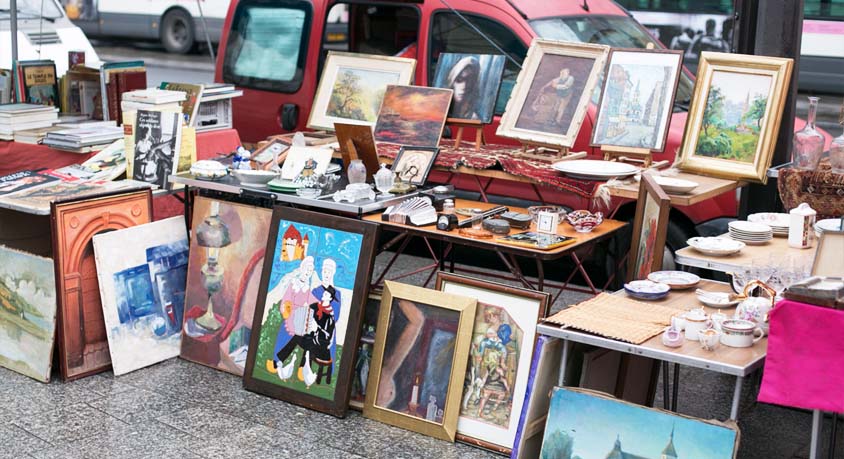
The smell of aged mahogany and rusted iron hung heavy in the air, punctuated by the faint, earthy scent of damp spring rain on cobblestones. I was wedged between a stack of 1920s cinema posters and a pile of tarnished silver cutlery in a corner of the Marché aux Puces de Saint-Ouen, listening to a local dealer haggle over the price of a mannequin’s glass eye. The chaotic, towering stacks of history surrounding me felt like a deliberate insult to the sterile, high-end boutiques of the nearby city center, where everything is polished and predictably expensive. A woman next to me, her fingers stained with dust, whispered that the best finds are never on the main thoroughfare; they are hidden in the labyrinthine alleys where the light barely reaches the floor.
Navigating the Saint-Ouen market requires you to abandon the typical tourist itinerary that funnels everyone toward the most visible, high-priced stalls. If you walk directly into the first gate you see, you are essentially asking to pay the "American markup" on items that were plucked from a garage sale three hours ago. I spent my first hour simply walking past the polished antiques, turning instead into a dusty, narrow passage in the Malik section where the prices aren't printed on tags and the sellers treat haggling like a competitive sport. I walked away with a set of hand-painted ceramic tiles for twelve euros, while across the street, a tourist was shelling out sixty for a replica that smelled suspiciously of fresh glue and mass production.
Eating during a full day of hunting for treasures is a financial trap if you stick to the cafes nearest the metro station. I watched a group of travelers order a lackluster jambon-beurre for eighteen euros, unaware that a block away, in a tiny, nameless bistro frequented by the market vendors, a steaming plate of hearty boeuf bourguignon was going for less than twelve. The trick is to follow the people with the dirtiest hands and the oldest clothes; they know where the real food is. In the market’s heart, you can find regional specialties like galettes that provide enough calories to keep you sifting through crates of vintage postcards until the sun dips behind the city skyline.
Staying in the northern fringes of the 18th arrondissement, just a short tram ride from the market gates, saved me from the exorbitant hotel premiums found in the city’s core. My guesthouse was a refurbished space with shared hallways but private comfort, costing under 110 euros a night—a bargain that allowed me to justify buying an oversized vintage coat that I had absolutely no space for in my carry-on. The public transport system here is surprisingly seamless; the Metro line 4 drops you off within walking distance of the flea market, sparing you the expensive and erratic taxi fares that often come with a "luggage surcharge" the driver forgets to mention until you arrive.
Venturing deeper into the less-traveled sectors like the Marché Vernaison offers a stark look at the contrast between true vintage and the modern junk that clutters the fringes. I found a dealer who specialized entirely in old watch parts, a small, dark stall where he let me sift through brass gears and tiny, sapphire-tipped hands that felt like relics of a lost time. It cost nothing to stand there and listen to him talk about the mechanics of the 1950s, a cultural exchange that holds more value than any souvenir I could have purchased at a gift shop. These hidden pockets are where you find the soul of Paris, away from the endless stream of cameras and the constant, rhythmic tapping of credit card terminals.
Travelers arriving from the States between March and June should be prepared for the whims of the northern French spring, which means packing a durable windbreaker and sturdy, waterproof boots. You are likely landing after a grueling overnight flight, feeling like a time-zone-disoriented zombie, but do not let that tempt you into an overpriced taxi at the airport; the RER trains are reliable and get you into the city for a fraction of the cost. The market is significantly less suffocating during the weekday mornings than it is on a sweltering Saturday, and the price fluctuations reflect this—dealers are far more willing to negotiate when the crowd isn't ten people deep.
Paris is not just the sparkling metal tower or the view from a glass boat; it is found in the grime of the flea market where history is traded for pocket change. Stop looking for the polished facade and start looking for the dust; that is where the real city is hiding.
Disclaimer: Mention of any brand or trademark is for identification only and does not imply partnership or endorsement