The deep convergence of the Internet of Things (IoT) and Artificial Intelligence (AI) is an inevitable trend in the development of modern technology. IoT interconnects various devices and systems through its extensive connectivity capabilities, generating huge data sets. And AI, especially machine learning technology, excels at mining value from this data to guide smart devices in self-optimization and decision-making. The combination of the two is driving smart devices toward higher levels of automation and intelligence.
IoT: the cornerstone of data generation and transmission
At the heart of IoT is its ability to collect and transmit data from a wide range of devices. These data include environmental parameters, device status, user behavior and many other types, providing a rich source of information for smart devices. Through its efficient data transmission network, IoT delivers this data to the back-end processing system in real-time and accurately, providing a solid foundation for the analysis and optimization of AI algorithms.
AI: a smart engine for data processing and decision-making
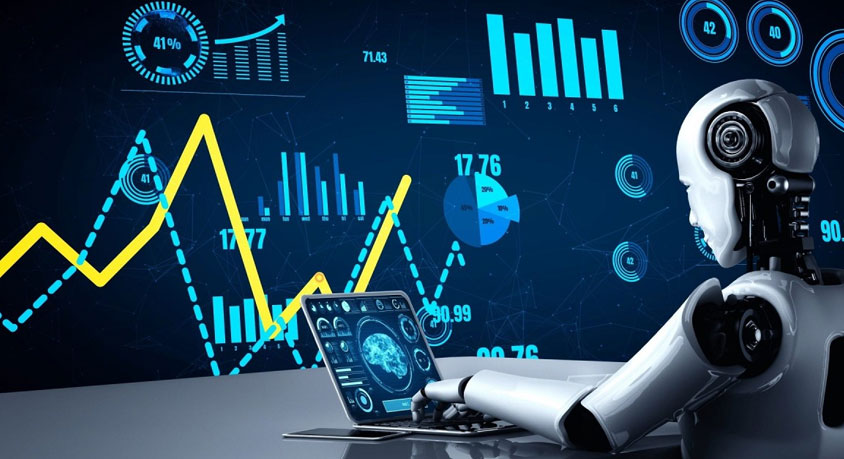
Artificial intelligence, especially machine learning technology, is the key to processing the massive data generated by IoT and making smart decisions. Machine learning algorithms are able to discover patterns and laws in the data through in-depth analysis of the data, and then predict future trends and changes. In IoT scenarios, AI can adjust the working state of devices in real time based on their operational data and environmental information, enabling precise control and optimization. This ability enables smart devices to adapt to environmental changes more autonomously and improve operational efficiency and performance.
Self-learning and adaptation ability of smart devices
When IoT is closely integrated with artificial intelligence, smart devices have the ability to learn and adapt themselves. They no longer rely solely on preset programs and rules to perform their tasks, but are able to improve their level of intelligence by continuously learning and optimizing themselves. This ability of self-learning and adaptation enables smart devices to respond more flexibly to a variety of complex scenarios and needs, providing strong support for the realization of automation tasks.
Application scenarios and impact of the fusion of the two
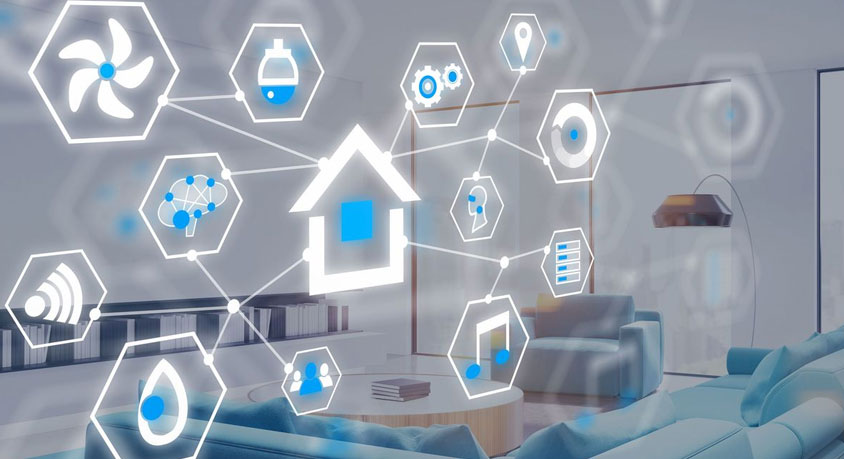
The convergence of IoT and AI has already had a far-reaching impact in several fields. In the field of smart manufacturing, smart devices can automatically adjust process parameters according to real-time data in the production process to improve production efficiency and product quality. In the field of smart home, smart home appliances can provide more personalized services based on users' habits and needs. In the field of smart cities, through AI analysis of traffic, environment and other data, city management can be optimized to improve the quality of life of residents. The expansion of these application scenarios not only demonstrates the great potential of the integration of IoT and AI, but also provides a wealth of practical experience and inspiration for future smart development.
With the in-depth development of big data, cloud computing and other technologies, AIoT systems will realize more efficient data processing and analysis capabilities, providing more accurate and comprehensive decision-making support for various industries. We have reason to believe that with the joint promotion of IoT and AI, the world of the future will be smarter, more efficient and better.
Disclaimer: Mention of any brand or trademark is for identification only and does not imply partnership or endorsement