
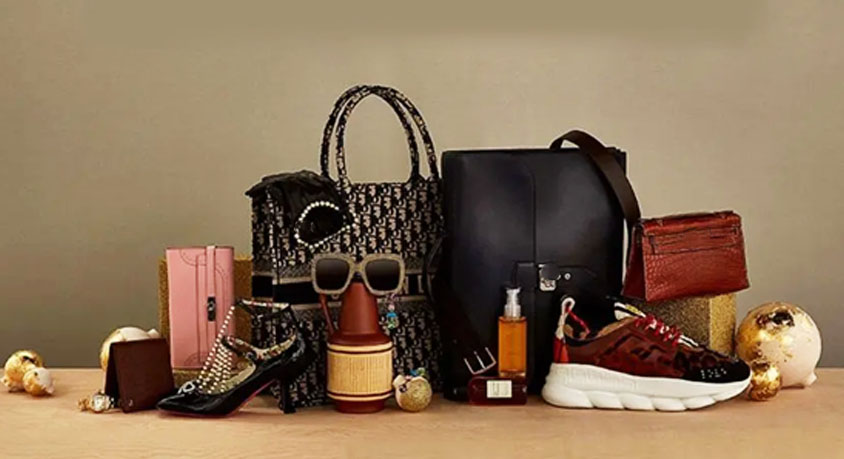
In a typical economic downturn, the first thing to go is discretionary spending. Mid-tier retail collapses, "affordable luxury" sees heavy discounting, and inventories pile up. Yet, if you look at the top tier of the European luxury conglomerates, the financial metrics often move in the opposite direction. While the rest of the market struggles with inflation and cooling consumer sentiment, these entities frequently implement price hikes of five to ten percent without seeing a dip in volume. This isn't just clever marketing; it’s a structural financial moat built on the "Veblen effect," where the high price itself becomes a primary driver of demand.
I was walking past a flagship boutique in Paris last October, right when the global markets were twitching over interest rate fears. The line to get in was longer than it had been in the summer. It struck me that for the ultra-high-net-worth segment, these goods have transitioned from "consumption" to a form of "alternative asset." When you buy a mechanical perpetual calendar watch or a specific hand-stitched leather handbag, you aren't just buying an accessory. You are moving cash into a tangible object that has historically outpaced inflation and, in some cases, the broader equity indices.
The "pricing power" of these brands is rooted in an extreme control over supply. Unlike mass-market firms that scale production to meet every ounce of demand, top-tier luxury players intentionally leave money on the table. By maintaining a permanent state of scarcity—sometimes through literal waiting lists that span years—they decouple their valuation from the cost of raw materials. If the price of high-grade calfskin or silk rises by twenty percent, it’s irrelevant to the final margin because the brand's markup is already several hundred percent. They don't cost-plus price; they price based on the "psychological ceiling" of their most affluent clients, which turns out to be remarkably high.
One personal tip for those analyzing these stocks: look at the "Inventory Turnover" vs. "Gross Margin." A healthy luxury brand should have a surprisingly slow turnover but an eye-watering margin. If you see them speeding up turnover or expanding into too many lower-priced "entry-level" goods, the moat is leaking. True luxury requires a level of exclusivity that is actually antithetical to traditional retail growth logic. The moment a product becomes "accessible," its financial utility as a status symbol begins to evaporate.
The resilience of the sector also stems from a unique geographic hedge. While one region might be facing a liquidity crunch, another is usually seeing a surge in wealth creation. Because the top brands have centralized their production in specific European regions—often in small, specialized workshops that cannot be easily replicated—they maintain a monopoly on the "origin story." You can't just move a "Made in Italy" leather operation to a lower-cost jurisdiction without destroying the brand’s equity. This geographical rigidity is actually a financial strength; it prevents the brand from being "commoditized."
I’ve noticed that during periods of high inflation, the ultra-wealthy tend to consolidate their spending into "hard luxury"—items like high-end jewelry and complications in watchmaking. These items have a high "density of value." You can carry a fifty-thousand-dollar watch on your wrist; it’s a portable, liquid store of value. This makes the sector act more like a haven than a traditional retail play. In the 2024 reporting cycle, despite a general slowdown in global trade, the top three luxury houses reported record-breaking operating profits, largely driven by their highest-priced categories.
There is a slight subjectiveness to this, but I believe the "luxury moat" is actually widening. In an era of AI-generated content and mass-produced fast fashion, the "human touch" and the "provenance" of a hand-stitched item carry a higher premium than ever before. Investors aren't just buying into a fashion trend; they are buying into a centuries-old social hierarchy that has proven to be remarkably resistant to technological disruption.
When looking at your own portfolio, don't mistake "fashion" for "luxury." Fashion is cyclical and prone to sudden collapses in relevance. Luxury is a game of endurance and supply-side repression. The brands that have the discipline to say "no" to sales growth in favor of price integrity are the ones that end up as the most consistent compounders in a volatile market. It’s a counter-intuitive business model, but the audited numbers don't lie.
Disclaimer: Mention of any brand or trademark is for identification only and does not imply partnership or endorsement