



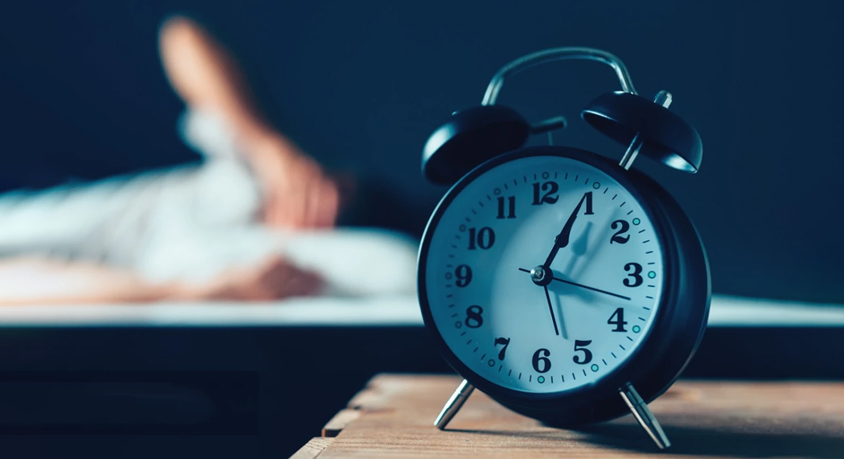
Last month, Raj—my friend who works as a freelance financial analyst—sat across from me at a café, rubbing his eyes as he scrolled through his laptop. “I can’t believe I did that,” he muttered, showing me a screen with a failed investment. He’d put $2,000 into a risky stock the week before, a move he’d later call “impulsive and stupid.” “I was up until 2 a.m. finishing a report, then woke up at 8 a.m. foggy-headed,” he said. “I saw a headline, clicked buy, and didn’t even read the fine print.” At first, we blamed it on stress or a busy week—but as we talked, he admitted something else: he hadn’t seen much sunlight in days. He’d been working late, sleeping with blackout curtains drawn until noon on weekends, and staring at his phone until bed. That’s when it clicked: Raj’s messy sleep schedule—his out-of-sync circadian rhythm—might have been just as responsible for that bad decision as his tired eyes. What we don’t realize is that the light we get (or don’t get) every morning doesn’t just affect how awake we feel—it shapes how well we make choices that impact our wallets.
Let’s start with what circadian rhythm actually is, because it’s not just a “sleep schedule”—it’s your body’s internal clock, like a well-run company with a strict daily agenda. This clock tells your body when to release cortisol (the “wake-up” hormone) in the morning, when to slow down in the afternoon, and when to pump out melatonin (the “sleep” hormone) at night. But here’s the key: this clock runs on light—specifically, natural sunlight in the morning. When you step outside within an hour of waking, that light hits your eyes and sends a signal to your brain: “It’s daytime—time to be alert.” A study from Harvard Medical School found that morning natural light exposure syncs your circadian rhythm 30% faster than artificial light, which means your cortisol levels rise steadily (giving you gentle energy, not a crash) and your melatonin kicks in on time at night. But when you skip that morning light—like Raj did, sleeping until noon and working indoors—your clock gets confused. It’s like a company where the CEO shows up late, meetings get rescheduled, and no one knows what to do next. Chaos follows—and that chaos shows up in how you think.
That chaos hits your prefrontal cortex hardest—the part of your brain that handles decision-making, impulse control, and weighing risks. When your circadian rhythm is off, this area doesn’t work as well. A 2022 study in the Journal of Sleep Research found that people with disrupted circadian rhythms (from irregular sleep or lack of morning light) were 40% more likely to make irrational financial choices: either taking reckless risks (like Raj’s stock buy) or being overly cautious (missing out on safe, good opportunities). Why? Because sleep loss and rhythm disruption slow down the prefrontal cortex—you can’t process information as well, you ignore red flags, and you let emotions (like FOMO, or fear) drive choices instead of logic. Raj saw this in himself: “After that bad investment, I started tracking my sleep and light. On weeks I got up early and walked outside for 20 minutes, I spent an extra hour researching investments. In the weeks I slept in, I made quick, dumb calls.”
The good news is, fixing this doesn’t require a complete lifestyle overhaul—it starts with small, intentional choices about light. Raj’s first change was a sunrise alarm clock: it gradually lights up his room 30 minutes before his alarm goes off, mimicking natural sunlight so he wakes up less groggy. “I used to hit snooze three times,” he said. “Now I wake up when the light comes on, like my body’s ready.” On cloudy days or weeks when he has to work early, he uses a light therapy lamp on his desk while he drinks coffee—its bright, natural-like light gives his brain that “daytime” signal he’d miss from the sun. At night, he started wearing blue light blocking glasses when using his laptop or phone—blue light from screens tricks your brain into thinking it’s still daytime, delaying melatonin and messing with your rhythm. “I used to scroll until 11 p.m. and lie awake for an hour,” he said. “Now I put on the glasses at 9 p.m., and I’m asleep by 10:30.”
Within a month, Raj noticed a difference—not just in his energy, but in his work. He stopped making impulsive investment picks, and he even caught a mistake in a client’s budget that he would have missed when tired. “That mistake would have cost the client $500—and me a good review,” he said. “The light stuff feels small, but it’s changed how I show up for my work, and my wallet.” That’s the quiet power of syncing your circadian rhythm: it’s not about “being perfect” at sleep or light—it’s about giving your brain the tools it needs to make better choices. When your clock is on track, you’re more focused, more patient, and less likely to let tiredness cloud your judgment.
I know what you’re thinking: “I don’t have time to walk outside in the morning, or I work nights.” But even small adjustments help. If you wake up before sunrise, keep a light therapy lamp by your bed. If you work evenings, wear blue light glasses after 7 p.m. and try to get 10 minutes of sunlight in the afternoon (it still helps sync your clock). The goal isn’t to have a “perfect” rhythm—it’s to stop letting a messy one sabotage your decisions.
Disclaimer: Mention of any brand or trademark is for identification only and does not imply partnership or endorsement