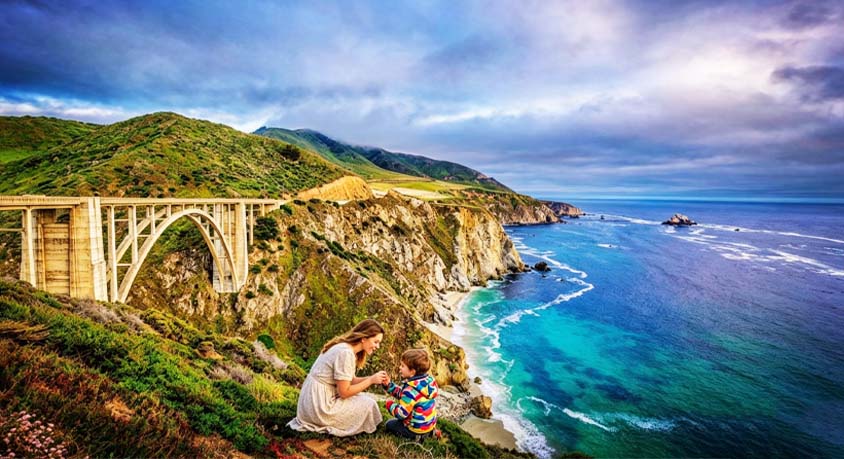
I leaned against a rocky shoreline along Oregon’s Pacific coast, watching gray waves roll slowly toward the shore while seabirds glided overhead in the soft coastal wind. The stretch of shore I stood on had no crowd control barriers, no paid photo spots, and none of the noisy throngs that flood California’s famous coastline every single day. It was a quiet unplanned moment that made me rethink how most travelers blindly follow viral routes and miss the quieter side of America’s West Coast.
We chose to drive lesser-known backroads instead of sticking strictly to the main coastal highway, and quickly saw the obvious price gap between tourist-centered towns and ordinary local settlements just a short drive away. Simple seafood plates at harbor restaurants near famous viewpoints cost nearly twice as much as small family diners a few miles inland, and souvenir shops right off highway exits mark up basic goods just for passing travelers. Taking a short detour away from the main tourist flow lets us eat fuller meals and shop at regular local rates without sacrificing travel experience.
One vastly underrated spot we discovered is a quiet coastal cove tucked between Oregon’s busy scenic overlooks, completely free to access and rarely filled with out-of-town visitors. Smooth dark rocks line the shore, and thick patches of coastal grass sway with every breeze. We sat barefoot on the warm stones and listened to the steady crash of waves, enjoying unobstructed ocean views without paying entry fees or waiting in long lines. It felt far more genuine than the overdeveloped viewing platforms packed with tourists along the more popular stretches.
We also wandered into an old lumber town hidden deep in Washington’s forested areas, far from Seattle’s busy downtown crowds. Tree-lined main streets hold vintage storefronts, small neighborhood cafes, and old wooden houses that retain classic Pacific Northwest style. Walking around the town requires no ticket fees, and local shop owners chat casually with visitors about regional history and quiet hiking routes only locals know about. Stopping here gave us a raw glimpse into small-town West Coast life you cannot get in crowded mainstream cities.
Early autumn along the Pacific Northwest brings mild daytime temperatures and frequent soft mist that drifts over forests and coastlines. We kept a thin wind jacket close at hand whenever heading out, as the coastal breeze can turn chilly quickly once the sun dips lower. Many travelers rush to California in autumn and avoid these northern coastal areas, but the fading summer crowds and soft hazy scenery make this time perfect for slow unhurried exploration.
Another underappreciated experience is exploring forest nature trails just outside these small West Coast towns, trails maintained by local communities and open to everyone for free. The paths wind through towering evergreen trees, cross small wooden bridges over clear streams, and open up to quiet woodland clearings. We hiked at a relaxed pace, pausing often to spot wild squirrels and colorful woodland plants, escaping the noise and commercial hype that define most popular tourist destinations.
Chasing every viral West Coast landmark only leads to longer queues and higher unnecessary costs. Slowing down to explore quiet coastal coves, hidden forest trails and overlooked small towns lets you experience the true laid-back vibe of the region, while keeping your travel budget firmly under control.
Disclaimer: Mention of any brand or trademark is for identification only and does not imply partnership or endorsement