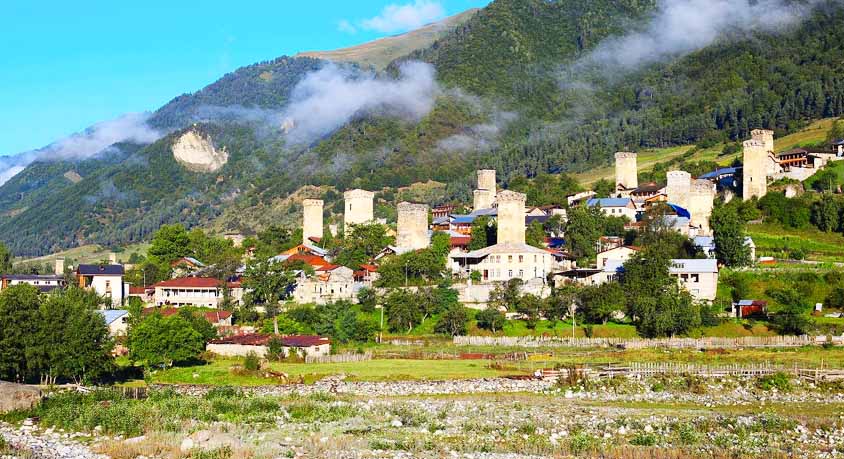
The scent of woodsmoke and damp earth hung heavy in the air as I stepped out onto a creaky wooden balcony in Mestia. Towering above me were the stone defensive towers of Svaneti, looking like something straight out of a medieval fortress, while the jagged, snow-capped peaks of the Caucasus Mountains pierced a sky so blue it looked painted. Just months prior, I had been in the Swiss Alps, where I paid nearly fifteen dollars for a basic ham sandwich and felt like a criminal for wanting a second cup of coffee. Here, in the high mountains of Georgia, I was currently paying twelve dollars a night for a room in a family home where the hospitality felt more like being adopted than being a customer. I sat there in the morning chill, watching a pig wander aimlessly down the main dirt road, realizing that the "luxury" of the Alps is mostly just expensive branding.
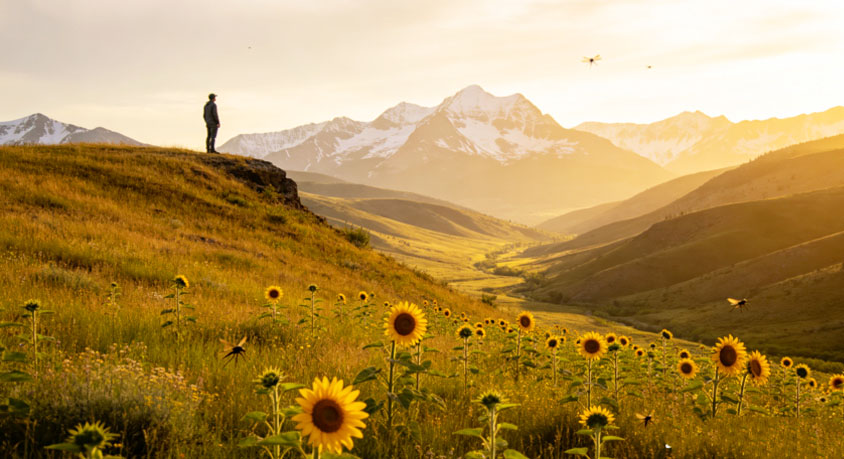
Most travelers are terrified of the Caucasus because they can’t find it on a map or they think it’s "too rugged." This collective ignorance is a gift to your wallet. While people are mortgaging their homes to spend a week in Zermatt, I spent my afternoon hiking toward the Chalaadi Glacier. The trail cost me exactly zero dollars. No cable car fees, no "mountain access" passes, and no shops selling five-hundred-dollar designer fleeces. I found myself standing at the foot of a massive wall of blue ice, the wind howling off the peaks, with not another soul in sight. In Switzerland, a view like this would be obstructed by a glass-bottomed viewing platform and a line of three hundred people waiting to take the same photo.
The financial reality of the food here is almost offensive to anyone used to Western prices. I wandered into a small, dimly lit cafe where a woman was hand-rolling dough for Kubdari—a local flatbread stuffed with spiced meat and onions. I ate until I could barely move, washed it down with a glass of potent local wine, and the bill came to about six dollars. I’ve had "gourmet" mountain meals in Colorado that cost ten times as much and tasted like frozen cardboard. The secret is that the Svan people have been living off this land for centuries; they don't need to "import" authenticity. When you eat here, you’re eating what the family eats. If you’re looking for a menu with calorie counts and English descriptions of "locally sourced" kale, you’re in the wrong mountain range.
I decided to skip the expensive private drivers and hopped into a "marshrutka"—the local shared minivans that serve as the lifeblood of Georgian transport. For the price of a coffee in London, I was treated to a three-hour white-knuckle ride through winding mountain passes that offered better views than any Swiss panoramic train. My seatmate was an elderly woman carrying a basket of eggs who spent the entire trip trying to feed me homemade cheese. This is the "hidden cost" of luxury travel that no one talks about: you pay so much for comfort that you insulate yourself from the actual culture. I’d rather have a slightly cramped seat and a conversation with a local than a silent, leather-bound cabin any day.
For a truly "reverse-tourism" experience, I headed to the village of Ushguli. It’s one of the highest continuously inhabited settlements in Europe, and it feels like the world simply stopped bothering to change there about eight hundred years ago. Most tourists do a quick day trip, but I stayed overnight. As the sun set, the day-trippers vanished, and the village turned into a silhouette of stone towers against a sea of stars. I spent five dollars on a bottle of wine and sat by a river, listening to the horses graze nearby. You can't buy this kind of silence in a famous resort town; no matter how much you pay for a "quiet room," you’re always going to hear the hum of the infrastructure that supports your ego.
If you’re coming here, do it in September. The summer heat has broken, the mountain trails are dry, and the harvest is in full swing. You avoid the muddy mess of spring and the bone-chilling isolation of winter when the passes often close entirely. You'll need a pair of boots you don't mind getting dirty and a stomach ready for an endless supply of bread and cheese. Leave your designer gear at home; the mountains don't care about your labels, and neither do the people living in their shadow.
The most breathtaking views in the world don't come with a gift shop at the exit. You can spend a fortune to see a manicured version of nature, or you can spend a pittance to see the real thing, raw and unfiltered.
Disclaimer: Mention of any brand or trademark is for identification only and does not imply partnership or endorsement