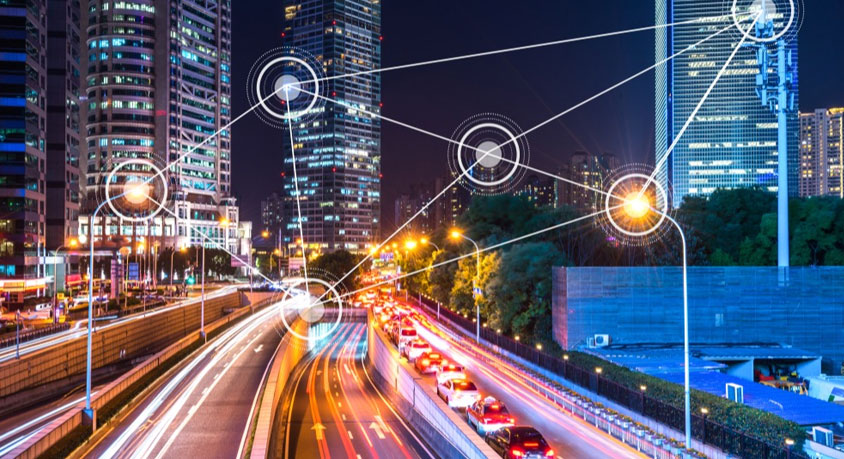



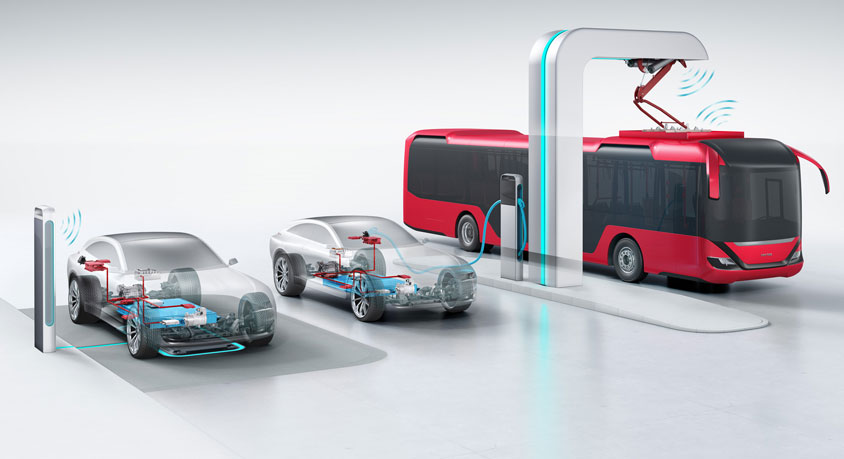
With the rapid expansion of the electric vehicle market, the construction of charging infrastructure has become a key to the development of intelligent transportation systems. Internet of Things (IoT) technology provides a new solution for optimizing the network layout of electric vehicle charging stations, monitoring the usage of charging piles, and power dispatching. Through IoT technology, charging stations can not only achieve efficient energy management, but also adjust charging strategies according to real-time demand to ensure rational utilization of power resources.
In the process of popularizing electric vehicles, how to reasonably layout and manage charging piles is the core issue to ensure the efficient operation of charging infrastructure. IoT is able to provide comprehensive charging network analysis by integrating charging pile sensors, real-time data collection and intelligent platform management. On this basis, operators can optimize the layout of charging piles based on user habits, geographic distribution, traffic flow and other information to reduce waiting time and idle charging piles. Some cities have already begun to apply IoT-based intelligent parking and charging management systems, allowing EV drivers to book charging spaces in advance, further reducing charging waiting time and improving user experience.
Changes in EV charging demand pose new challenges to the grid load. Through real-time monitoring and data analysis, IoT technology can predict EV charging demand and thus optimize the scheduling of power resources. The IoT platform can combine historical data and future electricity demand trends to help power companies develop intelligent load management programs to reduce the pressure on power consumption during peak hours. Through integration with the smart grid, the IoT system can automatically initiate the charging process of EVs during low power consumption hours, while charging power is adjusted or limited during peak hours to balance the load on the grid.
IoT not only optimizes the layout of charging stations and power dispatch, but also facilitates two-way communication between EVs and the Smart Grid. Through V2G (Vehicle-to-Grid) technology, EVs can return surplus power to the grid during non-use hours, acting as a mobile energy storage device. This two-way communication model makes electric vehicles not only consumers of energy, but also energy regulators and storage, helping the smart grid to regulate energy supply and demand during peak hours. IoT technology enables smart interactions between EVs and the grid, enhances energy system stability, and facilitates the integrated use of renewable energy.
The application of the Internet of Things not only enhances the convenience and reliability of charging, but also lays the foundation for the intelligentization of urban energy infrastructure and helps the construction of a sustainable urban transportation system. Through the optimization of the layout of smart charging piles, the accurate prediction of charging demand, and the two-way communication between electric vehicles and smart grids, IoT promotes the efficient use of energy and the stability of power grids. We can foresee a more intelligent and sustainable transportation energy system.
Disclaimer: Mention of any brand or trademark is for identification only and does not imply partnership or endorsement