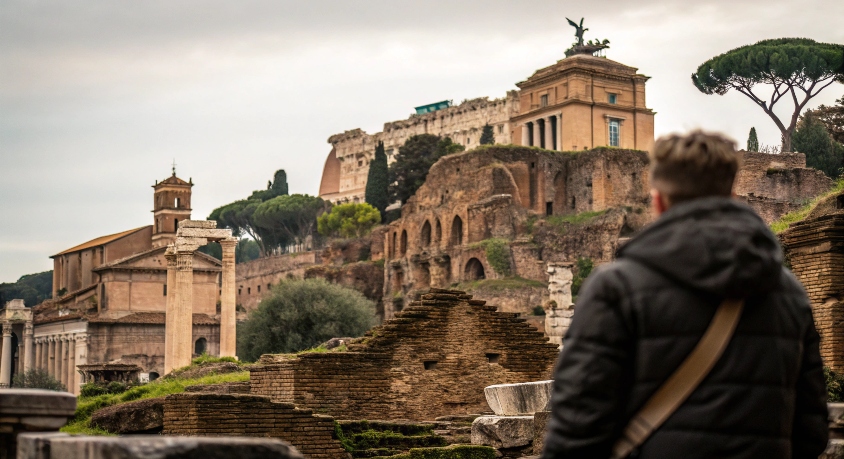
Palatine Hill is a sparkling gem among the seven hills of Rome, standing at the heart of the city and overlooking the magnificent Colosseum and vast Roman Forum. As the most famous of these seven hills, Palatine Hill not only bears rich history but also serves as one of the birthplaces of ancient Roman culture, aptly referred to as the “Cradle of Rome”.
The history of Palatine Hill dates back to the 8th century BCE, where, according to legend, the founders of Rome, Romulus and Remus, were born, imparting a sense of mystique to the hill. Over the centuries, Palatine Hill evolved into a residence for Roman nobility, symbolizing power and wealth. By the 1st century BCE, many Roman emperors constructed grand palaces here, unmistakably establishing it as one of the most influential districts in ancient Rome.
The numerous palaces and gardens on Palatine Hill are a testament to the political power of Rome, with the most famous being the House of Augustus. Augustus was the first emperor in Roman history, ascending to power in 27 BCE and enacting a series of reforms that transformed Rome into the most powerful nation in the Mediterranean. As imperial authority solidified, Palatine Hill gradually became a hub for nobles and influential figures, with temples, public buildings, and private mansions competing for grandeur, leaving a rich cultural heritage for future generations.
On Palatine Hill, numerous ancient ruins are scattered and are unmissable highlights for tourists. The House of Augustus is one of the most captivating sites, a magnificent palace that once served as the residence of Rome's first emperor. Visitors can roam through the opulent quarters and experience the grandeur of ancient royal life.
Adjacent to it lies the Palazzo di Domizia, which also captivates with its historical significance. Though only remnants of the palace remain, its past splendor is still evident. Particularly notable are the vast spaces and intricate decorations within, allowing visitors to envision the grand banquets and social events of ancient times.
Reaching the summit, visitors will find several observation platforms offering unparalleled vistas. Here, one can overlook the majestic Colosseum and Roman Forum, especially breathtaking during sunset when golden rays illuminate the ancient sites, creating a unique visual spectacle that is perfect for photography enthusiasts.
Another gem is the Orti Farnesiani (Farnese Gardens), a tranquil oasis adorned with lush greenery that invites visitors to unwind. This serene environment offers a welcome respite from the bustling city, allowing tourists to escape into nature's tranquility while embracing the echoes of antiquity surrounding them.
After exploring Palatine Hill, the neighboring Trastevere district is a must-visit destination, known for its enchanting streets and vibrant restaurants. This area is ideal for experiencing authentic Italian cuisine, with freshly prepared pasta, rich and flavorful pizza, and refreshing salads that cater to a variety of tastes. Additionally, the quaint cafes lining the streets provide perfect spots to relax and observe local life, enveloped in a warm and cultural atmosphere.
Tickets and Timing: It is advisable for visitors to purchase a combination ticket that allows access to both Palatine Hill and the Colosseum, avoiding long queues by booking online in advance. Visiting early in the morning during the off-peak season helps to evade crowds.
Dress and Preparation: Due to the uneven terrain of Palatine Hill, wearing comfortable shoes is recommended for easier exploration. Sunscreen is essential during summer, while a light jacket is suggested for the spring and autumn months to cope with temperature fluctuations.
Stay Hydrated: Maintaining proper hydration is vital during tours to cope with the heat. Numerous small shops in the vicinity sell water and snacks, making it convenient for visitors to replenish energy.
Respect the Ruins: When visiting ancient sites, it's crucial to respect these historical landmarks by not disturbing other tourists, refraining from eating within the ruins, and helping to keep the environment clean and tidy.
Palatine Hill is not merely a monument to history but also serves as a bridge connecting the ancient and the modern. Here, visitors can immerse themselves in the grandeur of ancient Rome and embark on a journey through time that offers spiritual renewal and enlightenment. I hope this information helps you better visit Palatine Hill. Have a nice trip!
Disclaimer: Mention of any brand or trademark is for identification only and does not imply partnership or endorsement